INTRODUCTION
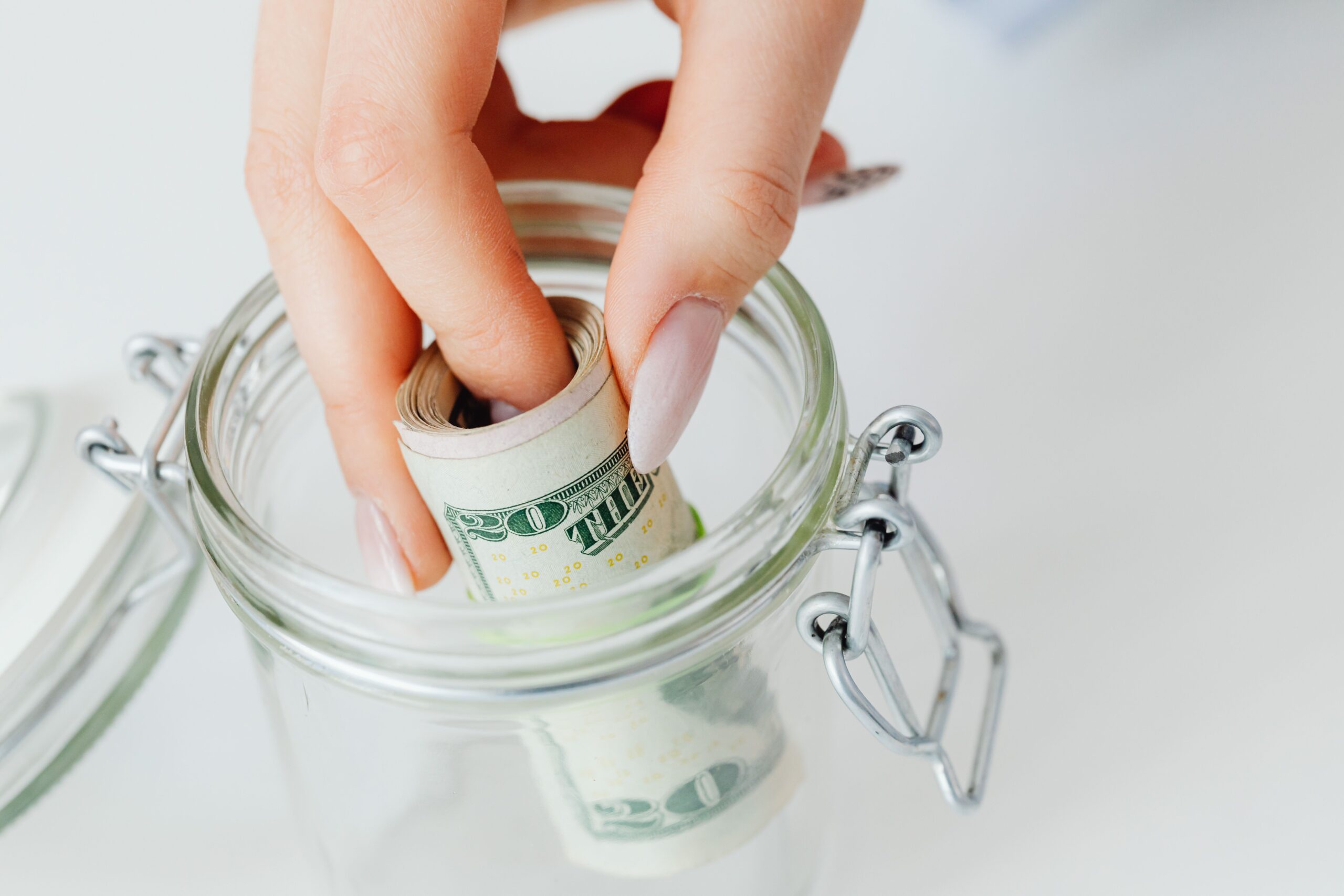
Building an emergency fund from zero can feel impossible when your income is already committed to rent, bills, food, debt payments, and everyday expenses. The good news is that you do not need to save thousands of dollars before your emergency fund becomes useful.
The most practical approach is to start with a small, realistic target, make saving automatic where possible, and gradually increase the amount as your financial situation improves. Even a modest cash reserve can help you handle an unexpected repair, medical expense, urgent travel, temporary loss of income, or other financial shock without immediately turning to expensive debt.
There is no single emergency fund amount that works for everyone. Your target should reflect your essential expenses, income stability, family responsibilities, access to other resources, and the types of emergencies you are most likely to face. The Consumer Financial Protection Bureau (CFPB) specifically recommends starting with what you can afford and building the fund over time.
MAIN ARTICLE
What Is an Emergency Fund?
An emergency fund is money set aside specifically for unexpected expenses or financial emergencies.
Unlike money saved for a vacation, new phone, home purchase, or other planned expense, an emergency fund is designed for situations you did not reasonably plan for.
Examples include:
- An unexpected car or transportation repair
- A major home or appliance repair
- An urgent medical expense
- A sudden reduction in income
- Job loss
- Emergency travel
- Essential family expenses caused by an unexpected event
- A necessary replacement for a broken household item
The key distinction is unexpected and necessary. A sale on a television may be tempting, but it is not an emergency. A broken refrigerator that you need to replace may be.
An emergency fund acts as a financial buffer between an unexpected expense and your credit card, loan account, investments, or other long-term savings.
Why Should You Build an Emergency Fund?
Unexpected expenses are difficult enough without having to figure out where the money will come from.
Without savings, a financial shock may force you to borrow money, use a credit card, sell investments at an inconvenient time, or take money from another important goal. The CFPB notes that people with insufficient savings may be more likely to rely on credit or loans after financial shocks.
An emergency fund can provide several benefits.
It reduces dependence on debt
If your car needs an urgent repair and you have cash available, you may not need to put the entire bill on a high-interest credit card.
It protects other financial goals
Without a dedicated emergency fund, an unexpected expense can force you to raid money intended for education, a home, retirement, or another long-term goal.
It gives you more financial flexibility
Cash reserves can give you more options when income changes or an unexpected bill arrives.
It creates a saving habit
The first few hundred dollars can be as important psychologically as the larger balance you eventually build. Establishing a consistent saving habit makes it easier to continue increasing your reserve.
How Much Should You Have in an Emergency Fund?
There is no universal number.
A useful way to think about your emergency fund is in stages rather than assuming you need to reach a large final target immediately.
A practical progression might look like this:
| Stage | Example target | Main purpose |
|---|---|---|
| Starter fund | A small amount you can realistically reach | Handle minor emergencies |
| Basic cushion | Several weeks or a month of essential expenses | Absorb common financial shocks |
| Strong emergency fund | Around 3 months of essential expenses | Provide meaningful protection against income disruption |
| Larger reserve | Around 3–6 months or more | Greater protection when income is uncertain or responsibilities are high |
A three-to-six-month emergency fund is a commonly cited longer-term goal, including in guidance from FINRA. However, it should be treated as a planning benchmark rather than a requirement that everyone must meet before saving anything else.
The CFPB takes a more individualized approach: consider the unexpected expenses you are likely to face and determine an amount that makes sense for your circumstances. It also emphasizes that even a small amount can provide some financial security.
Calculate your essential monthly expenses
Start with the expenses you would need to keep paying if your income suddenly dropped.
Consider:
- Housing
- Utilities
- Basic groceries
- Transportation
- Insurance
- Minimum debt payments
- Essential medical costs
- Childcare
- Necessary family support
- Essential subscriptions or services you genuinely cannot cancel
You do not necessarily need to include every expense in your normal lifestyle.
For example, if your essential monthly expenses total $1,500, then:
- 1 month = $1,500
- 3 months = $4,500
- 6 months = $9,000
The same calculation works in any currency. The important number is your actual essential monthly spending.
How to Build an Emergency Fund From Zero
If you currently have nothing saved, do not begin by worrying about reaching six months of expenses. Focus on creating the first small reserve.
1. Set a small first target
Choose an amount that feels achievable rather than intimidating.
Your first goal could be:
- $50
- $100
- $250
- $500
- One week of essential expenses
The specific amount matters less than creating a starting point you can actually reach.
Once you hit that target, choose another.
For example:
$100 → $250 → $500 → $1,000 → one month of expenses → three months of expenses
This approach turns one overwhelming goal into several manageable milestones.
2. Find your real monthly cash flow
Before deciding how much to save, determine where your money actually goes.
Review your recent bank statements, bills, cash spending, subscriptions, debt payments, and other regular expenses.
Do not rely entirely on memory.
The CFPB recommends reviewing spending over multiple months because irregular expenses such as insurance, medical costs, school expenses, gifts, and seasonal costs can easily be missed in a basic monthly budget.
Then calculate:
Monthly income − essential expenses − other committed payments = potential savings capacity
If the result is small, that does not mean you cannot build an emergency fund. It means your initial savings target should be smaller.
3. Choose a realistic savings amount
Do not choose an amount simply because a budgeting rule says you “should” save it.
If you can consistently save $10 per week, start there.
If you can save $25 every payday, use that.
If your income varies, use a percentage or flexible contribution instead.
The best emergency fund contribution is one you can repeat without constantly having to withdraw the money again.
4. Automate your savings
Automation removes one of the biggest obstacles to saving: having to make the decision every time you get paid.
Set up a recurring transfer from your primary account to a dedicated savings account if your bank or financial institution offers the feature.
You can schedule it:
- Every payday
- Weekly
- Twice a month
- Monthly
The CFPB identifies automatic recurring transfers as one practical way to make saving consistent.
If your income changes from month to month, you can combine a small automatic contribution with additional deposits during stronger months.
5. Save unexpected money
Extra money can accelerate an emergency fund without requiring a permanent reduction in your normal budget.
Depending on your circumstances, this could include:
- A bonus
- A tax refund
- A cash gift
- Overtime income
- Freelance earnings
- Money from selling unused items
- A temporary reduction in another expense
You do not have to put all extra money into savings. Even directing a portion toward your emergency fund can shorten the time needed to reach your target.
6. Reduce one or two expenses temporarily
You do not need to eliminate everything enjoyable from your budget.
Instead, look for expenses that provide relatively little value compared with their cost.
Potential examples include:
- Unused subscriptions
- Frequent food delivery
- Impulse purchases
- Unused memberships
- Avoidable convenience fees
- Excessive discretionary shopping
Then redirect the money you free up into your emergency fund.
A temporary spending reduction can be especially useful when you are trying to reach your first milestone.
7. Increase your savings when your income rises
One of the easiest times to increase emergency savings is when your income increases.
If you receive a raise, do not automatically increase every category of spending.
Instead, consider directing part of the additional income toward your emergency fund.
For example, if your monthly income increases by $200, you might decide that $100 goes toward savings while the remaining $100 improves your day-to-day budget.
What If You Are Living Paycheck to Paycheck?
This is one of the hardest situations in which to build an emergency fund, but it does not make saving pointless.
If there is almost nothing left after essential expenses, start extremely small.
Consider:
- Tracking every expense for one month.
- Identifying irregular expenses that repeatedly cause problems.
- Looking for bill-payment timing issues.
- Negotiating or reviewing recurring expenses where possible.
- Saving a very small fixed amount.
- Directing occasional extra income toward savings.
- Looking for ways to increase income if reducing expenses is no longer realistic.
Cash-flow management can matter as much as cutting spending. The CFPB notes that understanding the timing of money coming in and going out can reveal opportunities to adjust bill timing or move additional money into savings when cash is available.
If your budget is consistently negative, however, the solution is not simply to “save more.” You may first need to address the gap between income and essential expenses.
How to Build an Emergency Fund on a Low Income
A low income can make emergency savings difficult because most available money may already be needed for necessities.
The answer is to make the target proportional to your circumstances.
Try these approaches:
Start with a tiny automatic transfer
Even a small recurring amount can establish the habit.
Use irregular income strategically
If your income varies, save more during stronger weeks or months instead of committing to an unrealistic fixed amount.
Create separate sinking funds
Not every large expense is an emergency.
For example, annual insurance, school expenses, vehicle maintenance, and planned travel can have separate savings categories. This prevents predictable expenses from repeatedly draining your emergency fund.
Focus on income as well as expenses
When there is little room left to cut, increasing income may have a greater impact than searching for another small expense to eliminate.
Possible options depend on your skills and circumstances and may include overtime, freelance work, selling unused possessions, or part-time work.
Where Should You Keep an Emergency Fund?
Your emergency fund should generally be:
- Safe
- Accessible
- Separate from everyday spending
- Easy to understand
- Available when a genuine emergency occurs
A dedicated savings account is often a straightforward option.
The CFPB recommends keeping emergency savings somewhere safe and accessible while avoiding a setup that makes the money too tempting to spend on non-emergency purchases.
For U.S. readers, eligible deposits held at an FDIC-insured bank are covered by federal deposit insurance up to applicable limits. FDIC insurance applies to qualifying deposit products, not investments such as stocks, bonds, mutual funds, or crypto assets.
For readers outside the United States, check the deposit-protection system applicable in your country before choosing a financial institution.
Should you keep your emergency fund in investments?
Generally, the primary purpose of an emergency fund is stability and access, not investment growth.
Money you may need immediately should not be exposed to unnecessary market volatility simply because an investment might produce a higher long-term return.
FINRA similarly recommends keeping emergency funds in a safe, accessible place rather than exposing them to investment risk.
Emergency Fund vs. Sinking Fund: What’s the Difference?
These two types of savings are often confused.
| Emergency fund | Sinking fund |
|---|---|
| For unexpected or urgent expenses | For known or expected future expenses |
| Example: sudden job loss | Example: annual insurance bill |
| Example: unexpected essential repair | Example: planned vehicle maintenance |
| Usually kept readily accessible | Can be scheduled around the expected expense |
| Goal depends on personal risk and expenses | Goal is based on a known future cost |
Separating the two can make your emergency fund last longer.
If you know your car will eventually need maintenance, saving for that expense separately can prevent you from treating a predictable repair as an emergency.
Should You Build an Emergency Fund or Pay Off Debt First?
For many people, the answer is not strictly one or the other.
Having no savings at all can leave you vulnerable to the next unexpected expense. But high-interest debt can also grow rapidly.
A balanced approach may be more practical:
- Build a small starter emergency fund.
- Continue making required debt payments.
- Focus additional money on expensive debt where appropriate.
- Gradually increase your emergency fund.
- Once high-cost debt is under control, work toward a larger cash reserve.
The right balance depends on the interest rate, type of debt, income stability, access to credit, household responsibilities, and likelihood of needing the savings.
CFPB research examining savings-versus-debt decisions found that people often preserve some savings cushion while paying down debt, illustrating that the decision is not necessarily an all-or-nothing choice.
If you have severe debt problems or cannot meet essential payments, individualized advice from a qualified financial professional or reputable nonprofit financial counseling organization may be appropriate.
How to Decide Whether Something Is a Real Emergency
Create your rules before you need the money.
Ask three questions:
1. Is the expense unexpected?
If you knew the bill was coming months ago, it may belong in a sinking fund instead.
2. Is it necessary?
An urgent medical bill is different from a discretionary purchase.
3. Does delaying it create a serious problem?
A broken appliance that affects basic household needs may justify using emergency savings. A discounted purchase usually does not.
Examples of legitimate emergency fund uses may include:
- Essential medical expenses
- Urgent transportation repairs
- Necessary home repairs
- Unexpected essential travel
- Loss of income
- Critical replacement of a broken household item
The exact rules should reflect your circumstances.
And remember: if something genuinely qualifies as an emergency, using the fund is not a failure. That is what the money is there for. The next step is to rebuild it.
What to Do After You Use Your Emergency Fund
Do not feel as though you have failed because your balance dropped.
A properly used emergency fund has done its job.
After the emergency is over:
- Determine exactly how much you spent.
- Reassess your current monthly budget.
- Restart your regular savings transfer.
- Temporarily redirect extra money toward rebuilding.
- Consider whether the emergency revealed a new recurring risk.
- Adjust your target if your circumstances have changed.
For example, if a vehicle repair used half your emergency savings, you may decide to create a separate vehicle-maintenance sinking fund once the emergency reserve has been rebuilt.
Common Emergency Fund Mistakes to Avoid
Waiting until you can save a large amount
You do not need a large balance to begin. Starting small can establish the habit and provide at least some protection.
Keeping emergency money in your everyday spending account
When emergency savings and spending money are mixed together, it can be harder to know what is genuinely available to spend.
Investing money you may need soon
Emergency savings are intended to provide stability and access. Market investments can fluctuate in value at exactly the wrong time.
Treating every unexpected purchase as an emergency
Unexpected does not automatically mean necessary.
Setting an unrealistic monthly savings target
A target that repeatedly causes you to withdraw money is not a sustainable savings plan.
Forgetting irregular expenses
Annual bills and predictable maintenance costs can disrupt a budget if they are not planned for separately.
Stopping after reaching the first milestone
A starter fund is a beginning, not necessarily the final destination.
Never using the fund
An emergency fund exists to be used when a genuine emergency occurs. Afterward, rebuild it rather than avoiding necessary spending because you are afraid to reduce the balance.
A Simple Emergency Fund Plan for Beginners
If you want a straightforward system, use this five-stage plan:
Stage 1: Open a dedicated savings account
Choose an appropriate account that is safe and reasonably accessible.
Stage 2: Set your first target
Choose an amount you can realistically reach.
Stage 3: Automate a contribution
Transfer a fixed amount whenever you receive income, if practical.
Stage 4: Add extra money when available
Use part of bonuses, side income, refunds, gifts, or other unexpected money to accelerate progress.
Stage 5: Increase the target gradually
After reaching your starter goal, move toward one month of essential expenses and eventually consider a larger reserve based on your circumstances.
The process does not have to be perfect. Consistency matters more than making an impressive first deposit.
Emergency Fund Example
Imagine someone earns the equivalent of $2,500 per month and has $1,700 in essential monthly expenses.
They currently have no emergency savings.
Instead of setting an immediate $10,200 target, they could break the goal into smaller steps:
- First goal: $100
- Second goal: $500
- Third goal: $1,000
- Fourth goal: $1,700
- Fifth goal: $5,100, representing three months of essential expenses
- Longer-term goal: $10,200, representing six months of essential expenses
If they save $50 per week, they contribute approximately $200 in a four-week month.
At that pace, the first $1,000 would take roughly five months, assuming they do not need to withdraw the money and the contribution remains affordable.
The exact timeline will vary with income, expenses, interest earned, and unexpected events. The important point is that a large emergency fund is built through a series of smaller contributions.
How to Make Emergency Savings Easier to Maintain
Once you have started, focus on making the system sustainable.
Give the account a clear purpose
A dedicated account labeled for emergency savings can make the purpose of the money more visible.
Review your progress regularly
A quick monthly check can show whether your balance is moving in the right direction.
Increase contributions gradually
If your original contribution was easy to maintain, increase it slightly when your income or budget allows.
Keep planned expenses separate
Use sinking funds for predictable expenses so that your emergency reserve is not constantly being used for routine financial obligations.
Revisit your target after major life changes
Your emergency fund may need to grow if you:
- Have a child
- Become responsible for another family member
- Buy a home
- Take on significant debt
- Become self-employed
- Experience a major income change
- Lose access to another reliable source of financial support
A stable salaried employee with few dependents may have different cash-reserve needs from a self-employed household with several dependents.
FAQ
How much should I save for an emergency fund first?
Start with an amount you can realistically reach without disrupting essential bills. A small starter fund is better than waiting until you can afford several months of expenses. You can increase the target gradually.
Is $1,000 enough for an emergency fund?
It can be a useful milestone, but it is not a universal target. Whether $1,000 provides adequate protection depends on your essential expenses, income, family responsibilities, debt, and the emergencies you are likely to face.
How long should it take to build an emergency fund?
There is no fixed timeline. Your timeframe depends on how much you can save and how often you receive income. Focus on consistent contributions rather than trying to reach a specific deadline that may be unrealistic.
Should an emergency fund be in a savings account?
A dedicated savings account can be a practical choice because emergency money should generally be safe and accessible. The specific account and deposit-protection rules depend on your country and financial institution.
Should I invest my emergency fund?
Emergency savings generally prioritize safety and accessibility over investment returns. Money that may be needed quickly is usually better kept in an appropriate low-risk, accessible savings vehicle rather than an investment subject to market fluctuations.
Should I pay off debt or build an emergency fund?
For many people, a balanced approach works better than choosing only one. Building a small cash cushion while making required debt payments can provide protection against new emergencies, after which you can direct more money toward high-cost debt.
What counts as an emergency?
An emergency is generally an unexpected, necessary expense that cannot reasonably wait. Examples include urgent medical costs, essential repairs, or a sudden loss of income. Planned purchases and predictable annual expenses should usually be handled through normal budgeting or sinking funds.
What if I have no money left to save?
Start by examining your actual cash flow. If essential expenses consume all available income, focus on identifying the gap rather than forcing an unrealistic savings target. A tiny contribution, additional income, bill-timing changes, or expense reductions can be starting points.
CONCLUSION
Building an emergency fund from zero is less about finding a large amount of money and more about creating a system you can maintain.
Start with a small target. Track your essential expenses. Automate what you can. Add extra money when it becomes available. Keep emergency savings separate from everyday spending and gradually work toward a reserve that reflects your circumstances.
You do not need a perfect financial situation to begin. The first small deposit is the foundation. Over time, those deposits can turn into a cash buffer that helps you handle life’s financial surprises without derailing everything else.
SEO INFORMATION
- Meta Description: Learn how to build an emergency fund from zero with practical saving steps, realistic goals, budgeting tips, and strategies for unexpected expenses.
- URL Slug: build-emergency-fund-from-zero
- Primary Keyword: how to build an emergency fund from zero
- Secondary Keywords: emergency fund, emergency savings, how much emergency fund should I have, emergency fund for beginners, build savings from zero, emergency savings plan, financial emergency fund
- Semantic/Related Keywords: savings cushion, unexpected expenses, essential expenses, cash reserve, rainy day fund, sinking fund, monthly budget, automatic savings, financial safety net, income loss, debt management, savings goals, financial preparedness
IMAGE SUGGESTIONS
- Image concept: A person starting an emergency fund by transferring a small amount into a dedicated savings account.
- Placement: Near the introduction or immediately after the section explaining how to start from zero.
- Alt text: Person starting an emergency fund with a small savings transfer
- Filename: start-emergency-fund-from-zero.jpg
- Image concept: A simple visual showing emergency savings milestones progressing from a starter fund to several months of essential expenses.
- Placement: After the section explaining how much to save.
- Alt text: Emergency fund savings milestones from starter savings to six months of expenses
- Filename: emergency-fund-savings-milestones.jpg
- Image concept: A budgeting worksheet or calculator showing essential monthly expenses and a calculated emergency fund target.
- Placement: In the section about calculating essential monthly expenses.
- Alt text: Calculating essential expenses for an emergency fund
- Filename: calculate-emergency-fund-target.jpg
INTERNAL LINKING OPPORTUNITIES
- Anchor text: how to create a monthly budget
- Suggested placement: In the “Find your real monthly cash flow” section.
- Recommended related page/topic: A beginner’s guide to creating and maintaining a monthly budget.
- Anchor text: how to save money on a low income
- Suggested placement: In the “How to Build an Emergency Fund on a Low Income” section.
- Recommended related page/topic: Practical strategies for reducing expenses and increasing savings on a limited income.
- Anchor text: debt payoff strategies
- Suggested placement: In the “Should You Build an Emergency Fund or Pay Off Debt First?” section.
- Recommended related page/topic: A guide comparing debt snowball, debt avalanche, and other debt repayment approaches.
- Anchor text: sinking funds explained
- Suggested placement: In the “Emergency Fund vs. Sinking Fund” section.
- Recommended related page/topic: A guide to creating sinking funds for predictable annual and irregular expenses.
- Anchor text: how to reduce monthly expenses
- Suggested placement: In the section about temporarily reducing expenses.
- Recommended related page/topic: A practical expense-cutting guide organized by household spending category.
- Anchor text: how to automate your savings
- Suggested placement: In the “Automate your savings” section.
- Recommended related page/topic: A guide to automatic transfers, recurring deposits, and automated personal finance systems.
- Anchor text: how to make a personal budget
- Suggested placement: In the low-income and cash-flow sections.
- Recommended related page/topic: A step-by-step personal budgeting guide.
- Anchor text: financial goals and savings plan
- Suggested placement: Near the conclusion.
- Recommended related page/topic: A guide to setting short-, medium-, and long-term financial goals.
EXTERNAL SOURCE SUGGESTIONS
- Consumer Financial Protection Bureau (CFPB) — Emergency Fund Guide: Supports definitions of emergency savings, reasons to build an emergency fund, approaches for determining an appropriate savings amount, savings strategies, where to keep emergency savings, and when to use the fund.
- Consumer Financial Protection Bureau (CFPB) — Assess Your Spending: Supports guidance on reviewing spending, building a realistic monthly budget, including irregular expenses, and accounting for emergency-fund contributions.
- FINRA — Preparing for Financial Hardship: Supports the discussion of emergency savings, automatic contributions, accessible savings, and the commonly used three-to-six-month living-expense benchmark.
- Federal Deposit Insurance Corporation (FDIC) — Deposit Insurance Information: Useful for U.S.-specific information about which deposit products qualify for FDIC insurance and the applicable coverage limits.
- Consumer Financial Protection Bureau — Financial Preparedness and Saving Habits Research: Provides research-based context on the relationship between saving habits, emergency preparedness, financial shocks, and financial well-being.