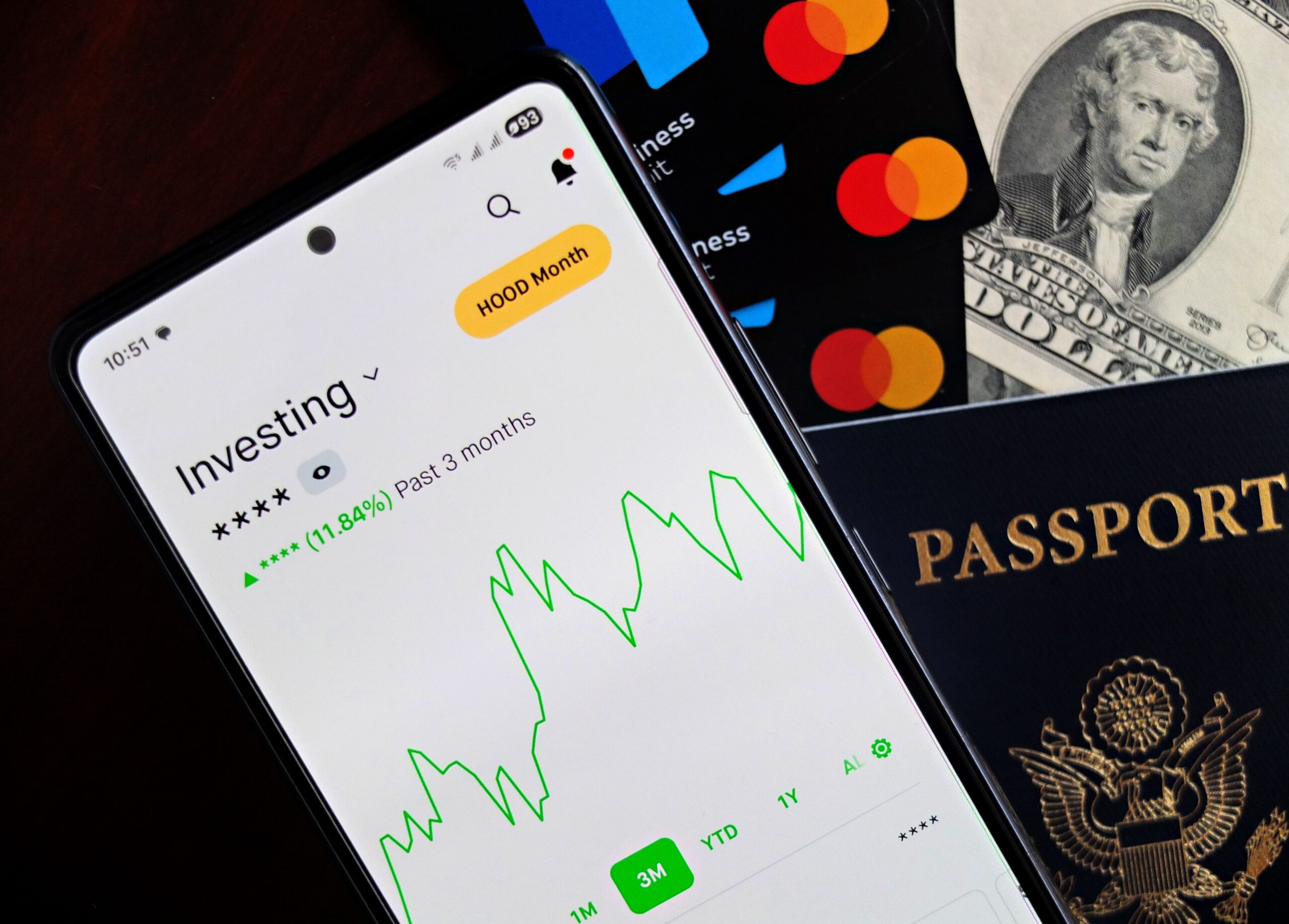
Best Investment Apps for Beginners in 2026: Easy Platforms to Start Building Wealth
Meta Title: Best Investment Apps for Beginners in 2026
Meta Description: Discover the best investment apps for beginners in 2026. Compare features, fees, security, and tools to choose the right investing app to grow your money.
Focus Keyword: Best Investment Apps for Beginners
URL Slug: /best-investment-apps-for-beginners/
Introduction: Why Investment Apps Are Popular Among Beginners
Investing used to feel complicated and intimidating. Many people believed they needed thousands of dollars, professional financial knowledge, or a financial advisor before they could start investing.
Today, investment apps have changed the way beginners enter the market.
With a smartphone and a small amount of money, new investors can:
Buy stocks
Invest in ETFs
Build diversified portfolios
Learn investing basics
Track financial goals
Automate contributions
In 2026, investment apps continue to make investing more accessible by offering simple interfaces, educational resources, and beginner-friendly tools.
However, choosing the right investment app is important. Some platforms are designed for complete beginners, while others are better suited for experienced investors.
This guide covers the best investment apps for beginners, what features to look for, and how to choose a platform that matches your financial goals.
What Is an Investment App?
An investment app is a mobile or online platform that allows users to manage investments from their phones or computers.
Depending on the platform, users may be able to invest in:
Stocks
Exchange-traded funds (ETFs)
Mutual funds
Bonds
Retirement accounts
Automated portfolios
Investment apps simplify the process by removing many traditional barriers.
Instead of calling a broker or completing complicated paperwork, beginners can often open an account digitally within minutes.
Benefits of Using Investment Apps
- Easy Access to Investing
Investment apps allow beginners to start investing without needing advanced financial knowledge.
Many platforms provide:
Simple dashboards
Educational content
Portfolio recommendations
Automated features
- Start With Small Amounts
Many investment apps allow users to begin with small deposits.
This helps beginners:
Learn investing gradually
Build confidence
Develop consistent habits
You do not need a large amount of money to start learning.
- Automated Investing Features
Automation makes investing easier.
Examples include:
Automatic deposits
Recurring investments
Robo-advisor portfolios
Goal-based investing
Automation helps remove emotions from investing decisions.
- Learn While Investing
Many beginner-friendly apps include:
Tutorials
Market explanations
Financial articles
Investing guides
Education is important because successful investing requires understanding risk and long-term planning.
The Investor.gov provides free educational resources for investors, including information about investment risks and strategies.
What Beginners Should Look for in an Investment App
Before choosing an app, consider these important factors.
- Low Fees
Fees can reduce your investment returns over time.
Look for:
No account fees
Low trading costs
Transparent pricing
No hidden charges
Even small fees can affect long-term growth.
- User-Friendly Design
A beginner app should be easy to understand.
Important features include:
Simple navigation
Clear portfolio information
Easy deposits
Educational support
Complex platforms may overwhelm new investors.
- Investment Options
Different apps provide different choices.
Common options include:
Individual stocks
ETFs
Index funds
Retirement accounts
Automated portfolios
Choose an app that supports your investment goals.
- Security Features
Financial security is extremely important.
Look for:
Two-factor authentication
Account protection features
Strong encryption
Regulatory compliance
Always research an investment platform before depositing money.
- Educational Resources
Beginners benefit from platforms that teach investing.
Look for:
Beginner guides
Market explanations
Learning tools
Portfolio insights
A good app should help you become a better investor.
Best Investment Apps for Beginners in 2026
The best investment app depends on your experience level, goals, and preferred investing style.
- Fidelity Investments
Best Overall Investment App for Beginners
Fidelity is one of the most established investment platforms and offers a wide range of financial products.
Key Features:
Commission-free online trading
Retirement accounts
Educational resources
Fractional share investing
Research tools
Best For:
✔ Beginners who want a complete investing platform
✔ Long-term investors
✔ Retirement planning
Pros:
Strong reputation
Wide investment selection
Helpful learning resources
Cons:
Some advanced tools may feel complex for brand-new investors
- Charles Schwab
Best for Learning and Long-Term Investing
Charles Schwab provides beginner-friendly investing tools with access to a broad range of investment products.
Key Features:
Stock and ETF investing
Retirement accounts
Educational materials
Research tools
Best For:
✔ Beginners who want to grow their knowledge
✔ Long-term investors
Pros:
Strong customer support
Educational resources
Trusted financial institution
Cons:
Interface may feel more traditional compared with newer apps
- Robinhood
Best for Simple Stock Investing
Robinhood became popular by making stock investing accessible through a simple mobile experience.
Key Features:
Easy account setup
Mobile-first design
Stock and ETF trading
Best For:
✔ Beginners interested in learning market basics
✔ Users who prefer a simple interface
Pros:
Beginner-friendly design
Easy navigation
Cons:
Beginners should learn investing basics before frequent trading
- Betterment
Best Robo-Advisor for Beginners
Betterment focuses on automated investing.
Instead of choosing individual investments yourself, the platform creates portfolios based on your goals and risk level.
Key Features:
Automated portfolios
Goal-based investing
Retirement planning tools
Best For:
✔ Beginners who want hands-off investing
Pros:
Simple approach
Automatic management
Cons:
Management fees may apply
- Acorns
Best for Automatic Saving and Investing
Acorns helps beginners invest small amounts automatically.
Key Features:
Automated investing
Round-up investing
Beginner education
Best For:
✔ People starting with small amounts
✔ Investors who want automation
Pros:
Easy to use
Encourages consistent investing
Cons:
Limited customization compared with advanced platforms
Best Investment Apps for Beginners in 2026 (Part 2)
Investment App Comparison Table
Investment App Best For Key Features Potential Drawbacks
Fidelity Overall beginners Fractional shares, research tools, retirement accounts Some advanced features may take time to learn
Charles Schwab Long-term investing Education, customer support, investment research Traditional interface
Robinhood Simple stock investing Easy-to-use app, commission-free trading Limited research tools compared with full-service brokers
Betterment Automated investing Robo-advisor, goal-based investing Management fee applies
Acorns Small automatic investments Round-up investing, automation Fewer investment customization options
How to Choose the Right Investment App
Choosing the right investment app depends on your financial goals, investing style, and experience.
- Identify Your Investment Goals
Ask yourself:
Are you investing for retirement?
Do you want long-term wealth?
Are you saving for a home?
Are you building passive income?
Your goal determines the best investment platform.
- Compare Investment Costs
Some apps charge:
Account maintenance fees
Robo-advisor fees
Margin interest
Premium subscription fees
Always review the fee schedule before opening an account.
Small fees can have a noticeable impact over long investment periods.
- Check Available Investment Options
Different apps offer different products.
Common investment choices include:
Stocks
ETFs
Mutual funds
Bonds
Retirement accounts
Automated portfolios
Beginners often benefit from platforms that support diversified investing.
- Look for Educational Resources
Learning while investing is important.
Choose an app that provides:
Beginner tutorials
Market news
Investment guides
Portfolio insights
Risk education
A platform that teaches you can help you make more informed decisions.
- Prioritize Security
Your investment account should include strong security features.
Look for:
Two-factor authentication (2FA)
Login alerts
Encryption
Account monitoring
Never share your passwords or verification codes.
Tips for Beginner Investors
Start Small
You do not need thousands of dollars to begin investing.
Many platforms allow small or recurring investments.
Starting early can be more important than starting with a large amount.
Invest Regularly
Rather than trying to predict the best time to invest, many beginners choose to invest consistently.
Regular investing can help build discipline and reduce the temptation to react to short-term market movements.
Diversify Your Portfolio
Avoid putting all your money into one company or one type of investment.
Diversification spreads risk across different assets.
Examples include:
ETFs
Index funds
Stocks from different industries
Bonds
Diversification does not eliminate risk, but it can help reduce the impact of poor performance from a single investment.
Think Long Term
Investing is generally most effective when viewed as a long-term strategy.
Markets may experience periods of growth and decline, but frequent buying and selling based on short-term emotions can make investing more difficult.
Common Mistakes Beginners Should Avoid
Chasing Quick Profits
Social media often promotes stories of people making large profits quickly.
In reality, successful investing usually requires patience and consistency.
Investing Without Research
Never invest simply because someone online recommends a stock or fund.
Understand:
The investment
The risks
Your financial goals
The Investor.gov offers educational materials on evaluating investments and recognizing fraud.
Ignoring Fees
Low fees leave more of your investment returns working for you.
Review all costs before choosing a platform.
Checking Your Portfolio Too Often
Daily market fluctuations are normal.
Constantly checking investments may encourage emotional decisions.
Review your portfolio periodically instead of reacting to every market movement.
Investment Apps vs Traditional Brokerage Firms
Investment Apps
Advantages:
Mobile convenience
Beginner-friendly design
Easy account setup
Automatic investing features
Potential limitations:
Fewer advanced tools on some platforms
Limited personalized advice
Traditional Brokerage Firms
Advantages:
Broader investment choices
Professional research
Advanced trading tools
Access to financial advisors
Potential limitations:
More complex interfaces
Some services may have higher costs
Frequently Asked Questions (FAQs)
- What is the best investment app for beginners?
There is no single best app for everyone. Fidelity, Charles Schwab, Betterment, Robinhood, and Acorns are popular choices, each with different strengths depending on your goals.
- Can I start investing with very little money?
Yes. Many investment platforms support small initial investments and recurring contributions, making investing more accessible for beginners.
- Are investment apps safe?
Well-established investment platforms use security measures such as encryption and two-factor authentication. Before opening an account, verify that the company is properly regulated and review its security practices.
- Should beginners buy individual stocks or ETFs?
Many beginners prefer diversified investments such as ETFs because they provide exposure to multiple companies in a single investment. The best choice depends on your goals, risk tolerance, and investment knowledge.
- How often should I invest?
Many long-term investors contribute regularly, such as monthly or with each paycheck. Consistency is often more important than trying to predict short-term market movements.
- Do investment apps guarantee profits?
No. All investments involve risk, and returns are never guaranteed. Understanding your investments and maintaining a long-term perspective are important.
Conclusion
Investment apps have made investing more accessible than ever before. With user-friendly technology, educational resources, and the ability to start with relatively small amounts, beginners can begin building long-term wealth with greater confidence.
When selecting an investment app, consider:
Your financial goals
Available investment options
Fees
Educational resources
Security features
Ease of use
The most important step is to begin with a thoughtful plan. Investing consistently, continuing to learn, and maintaining realistic expectations can help you work toward your long-term financial goals.
SEO Optimization Checklist
Primary Keyword: Best Investment Apps for Beginners
Secondary Keywords:
Beginner investing apps
Best stock investment apps
Mobile investing platforms
Best apps for new investors
ETF investing for beginners
Robo-advisor apps
Suggested Internal Links:
/how-to-build-wealth-from-scratch/
/best-personal-finance-tips-for-beginners/
/how-to-create-a-monthly-budget-that-works/
/best-high-yield-savings-accounts-2026/