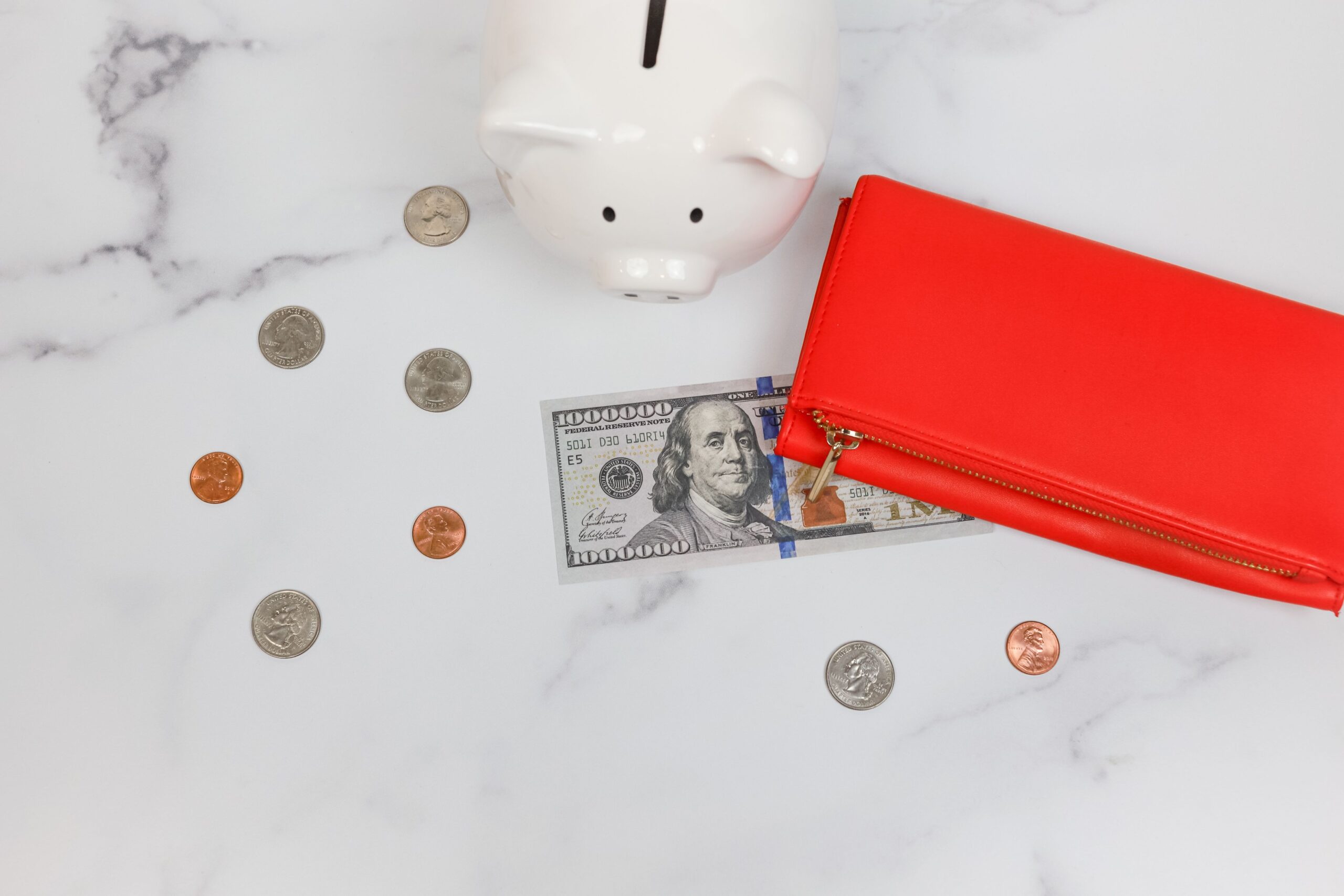
Better money habits do not require a high income, a complicated spreadsheet, or a perfect financial plan. They start with small decisions you can repeat consistently.
Whether you want to stop overspending, build savings, pay down debt, or simply feel more in control of your money, the habits you practice every day can make a significant difference over time.
The challenge is that financial habits are often automatic. You may buy something because it is on sale, order food because you are tired, or spend more than planned because you never set a clear limit in the first place.
The solution is not to rely on willpower alone. Instead, create simple systems that make good financial decisions easier.
This guide covers practical easy steps to build better money habits, from tracking expenses and creating spending limits to automating savings and developing healthier attitudes toward money.
What Are Money Habits?
Money habits are the repeated behaviors that influence how you earn, spend, save, borrow, and manage money.
Examples include:
- Checking your bank balance regularly
- Tracking daily expenses
- Saving part of each paycheck
- Paying bills on time
- Comparing prices before major purchases
- Reviewing subscriptions
- Avoiding unnecessary debt
- Planning purchases instead of buying impulsively
Some habits can strengthen your finances, while others can gradually create financial stress.
The good news is that habits can change.
You do not have to completely transform your finances overnight. A few consistent improvements can create a much stronger financial routine.
1. Know Where Your Money Goes
The first step toward better money habits is awareness.
For at least 30 days, track your income and expenses. Record everything from rent and groceries to small purchases such as snacks, coffee, and app subscriptions.
You can use:
- A budgeting app
- A spreadsheet
- Your bank’s built-in tools
- A notes app
- A simple notebook
At the end of the month, group your expenses into categories.
| Category | Examples |
|---|---|
| Housing | Rent, mortgage, maintenance |
| Food | Groceries, restaurants, delivery |
| Transportation | Fuel, public transit, car payments |
| Bills | Utilities, phone, internet |
| Debt | Credit cards, personal loans |
| Lifestyle | Shopping, hobbies, entertainment |
| Savings | Emergency fund, future goals |
You are not trying to criticize yourself.
You are looking for patterns.
If you discover that small purchases are consuming a large portion of your income, you now have something specific to address.
2. Create a Simple Spending Plan
A budget is simply a plan for your money.
Instead of waiting until the end of the month to see what remains, decide in advance how you want to use your income.
A simple spending plan can include:
- Essential expenses
- Debt payments
- Savings
- Discretionary spending
- Financial goals
You do not need to follow a particular budgeting formula.
The important thing is that your planned spending fits within your available income.
Make your budget realistic
One common mistake is creating a budget that looks perfect on paper but is impossible to maintain.
If you normally spend $200 a month on restaurants, setting a $20 restaurant budget may not be realistic.
Instead, try reducing it gradually.
For example:
Current: $200
New target: $150
Future target: $100
A sustainable improvement is usually more useful than an extreme restriction that lasts two weeks.
3. Pay Yourself First
One of the most effective money habits is saving before you start spending.
When your income arrives, move a predetermined amount toward savings rather than waiting to see what is left at the end of the month.
For example, if you receive $2,000 and immediately transfer $100 to savings, you have already made progress toward your goal.
The FDIC recommends automatic transfers as one way to make saving more consistent.
Even if you can only save a small amount initially, consistency matters.
You can increase the amount when your income rises or your expenses decrease.
4. Build an Emergency Savings Habit

Unexpected expenses are part of life.
A car repair, medical bill, job interruption, or urgent household expense can quickly disrupt a budget if there is no cash reserve.
Rather than focusing immediately on a large emergency fund target, create smaller milestones.
For example:
- First $100
- Then $500
- Then $1,000
- Eventually, several months of essential expenses
The right target depends on your income, expenses, household circumstances, and financial obligations.
The important habit is regularly setting aside money that is not intended for everyday spending.
5. Use the 24-Hour Rule for Impulse Purchases
Not every purchase needs an immediate decision.
For non-essential purchases, wait 24 hours before buying.
For expensive purchases, consider waiting several days.
During that time, ask:
- Do I actually need this?
- Do I already own something similar?
- Will I still want it next week?
- Does it fit my budget?
- Am I buying it because I need it or because I am bored, stressed, or influenced by advertising?
This small pause can prevent many impulse purchases.
You can also add friction by removing saved payment details from shopping websites and turning off promotional notifications.
6. Stop Treating Sales as Savings
A discount is not automatically a financial win.
If something costs $100 and is discounted to $70, you have not saved $30 if you never needed the item.
You have spent $70.
Before purchasing something because it is on sale, ask:
“Would I buy this at the regular price?”
If the answer is no, the discount may be influencing your decision more than the actual value of the product.
Better money habits mean focusing on what you need and value—not simply what appears cheap.
7. Review Your Subscriptions
Recurring payments are easy to forget.
Go through your bank and card statements and make a list of recurring charges.
Check:
- Streaming services
- Fitness memberships
- Apps
- Cloud storage
- Gaming services
- Software
- News subscriptions
- Delivery memberships
For each one, ask whether you still use it.
A $10 monthly subscription may not feel significant, but it costs $120 over a year.
Canceling several unused services can create immediate savings without changing the parts of your lifestyle you actually value.
8. Make Saving Automatic
Good habits become easier when you do not have to remember them.
Consider automating:
- Savings transfers
- Bill payments
- Debt payments
- Retirement contributions
- Other regular financial goals
Automation reduces the number of financial decisions you have to make every month.
It also creates consistency.
Instead of repeatedly telling yourself, “I should save this month,” you create a system where saving happens automatically.
9. Set Specific Financial Goals
“Save more money” is a vague goal.
A stronger goal is specific and measurable.
For example:
Weak goal:
“I want to save more.”
Better goal:
“I want to save $1,200 over the next 12 months.”
That gives you a clear target.
You can create short-, medium-, and long-term goals.
Short-term goals
- Build a small emergency fund
- Pay an upcoming bill
- Save for a planned purchase
Medium-term goals
- Pay off a credit card
- Replace a vehicle
- Save for education
- Build a larger emergency fund
Long-term goals
- Buy a home
- Build retirement savings
- Start a business
- Achieve financial independence
Choose a few priorities rather than trying to accomplish everything at once.
10. Create a Weekly Money Check-In
You do not need to spend hours managing your finances.
Set aside 10–15 minutes once a week.
During your check-in:
- Review your current balance.
- Check recent transactions.
- Look at upcoming bills.
- Check your discretionary spending.
- Transfer money if needed.
- Review progress toward your goals.
This simple routine can help you catch problems before they become serious.
It can also make money management feel less stressful because you always know what is happening.
11. Separate Needs From Wants
A useful financial habit is learning to distinguish between something you need and something you simply want.
For example:
Need: Groceries
Want: Restaurant delivery
Need: Basic transportation
Want: An expensive vehicle upgrade
Need: Functional clothing
Want: Another outfit because it is trending
Neither category is automatically good or bad.
The point is to understand your choices.
Once essential expenses are covered, you can deliberately decide how much money you want to spend on things that make life more enjoyable.
12. Use a Shopping List
A shopping list is a surprisingly effective money-management tool.
Before going to a supermarket or shopping website, decide what you actually need.
Then stick reasonably close to your list.
For groceries, check your refrigerator, freezer, and pantry first. This can reduce duplicate purchases and food waste.
For larger purchases, create a wish list and wait before buying.
The goal is to move from reactive shopping to planned shopping.
13. Be Careful With Buy Now, Pay Later
Installment payment options can make an expensive purchase feel smaller because the immediate payment is lower.
But the total cost does not automatically become more affordable.
Before using an installment plan, ask:
“Could I comfortably afford this purchase if I had to pay for it today?”
If not, consider waiting.
The Federal Reserve has reported that some users of buy-now-pay-later services experienced difficulty with payments, highlighting why consumers should treat installment purchases as real financial obligations rather than extra spending capacity.
Always review the terms, fees, payment schedule, and consequences of missed payments before using any credit or installment product.
14. Reduce Convenience Spending
Convenience can quietly become expensive.
Examples include:
- Frequent food delivery
- Daily takeaway coffee
- Express shipping
- Ride-hailing when alternatives are available
- Last-minute grocery trips
- Convenience-store purchases
You do not need to eliminate convenience.
Instead, create boundaries.
For example:
Food delivery: Once per week
Restaurant meals: Two times per week
Coffee: Homemade on weekdays
Small rules can make spending more predictable without making your lifestyle miserable.
15. Learn to Wait Before Upgrading
New phones, cars, computers, clothing, and household products can make older items seem outdated even when they still work perfectly well.
Before upgrading, ask:
- Does my current item still perform its job?
- Is the new version solving a real problem?
- How much will the upgrade actually cost?
- Could the money be used for a more important goal?
Delaying an upgrade does not mean refusing to spend money.
It means making sure the purchase is based on genuine value rather than pressure to keep up.
16. Practice a “No-Spend” Period
A no-spend period can help you identify unnecessary habits.
Choose a realistic timeframe, such as:
- One day per week
- One weekend
- One week
- A specific category for one month
During the period, continue paying for essential expenses but avoid unnecessary purchases.
For example, you might decide:
“For the next seven days, I will not buy clothing, entertainment, or takeaway food.”
At the end, consider what you learned.
The purpose is not punishment. It is awareness.
17. Increase Your Financial Knowledge
Better money habits become easier when you understand basic financial concepts.
Learn about:
- Interest rates
- Credit scores
- Debt
- Emergency funds
- Inflation
- Investing
- Retirement accounts
- Insurance
- Taxes
- Compound growth
You do not need to become a financial professional.
Even a basic understanding can help you evaluate financial decisions more confidently.
18. Make Debt Reduction a Habit
If you carry high-interest debt, make debt repayment part of your regular financial routine.
Start by listing:
- Total balance
- Interest rate
- Minimum payment
- Due date
Then choose a repayment strategy.
Debt avalanche
Focus additional payments on the debt with the highest interest rate while making minimum payments on the others.
Debt snowball
Focus additional payments on the smallest balance first.
The avalanche method can reduce interest costs, while the snowball method can provide quicker psychological wins. The best choice is the one you can follow consistently.
19. Avoid Lifestyle Inflation
Lifestyle inflation happens when spending rises whenever income increases.
For example, you receive a raise and immediately:
- Upgrade your car
- Move to a more expensive home
- Increase restaurant spending
- Take more expensive vacations
- Buy more premium products
There is nothing inherently wrong with enjoying a higher income.
The problem occurs when every increase in earnings disappears into higher expenses.
A better habit is to decide in advance how you will divide additional income.
For example:
50% toward financial goals
30% toward lifestyle improvements
20% toward other priorities
The percentages are only an example. Create a system that works for your circumstances.
20. Reward Progress Without Overspending
Financial improvement should not feel like endless deprivation.
Celebrate milestones in inexpensive ways.
For example:
- Cook a special meal at home
- Have a movie night
- Visit a free local attraction
- Take a day trip using money already budgeted
- Track your progress visually
The goal is to create positive associations with responsible money management.
A Simple 30-Day Plan for Better Money Habits
If you are unsure where to start, use this four-week plan.
Week 1: Awareness
- Track every expense.
- Review your bank statements.
- List all recurring payments.
- Identify your three biggest spending categories.
Week 2: Organization
- Create a simple budget.
- List your debts.
- Organize upcoming bills.
- Set one financial goal.
Week 3: Automation
- Automate a savings transfer.
- Automate appropriate bill payments.
- Cancel unused subscriptions.
- Set spending limits for problem categories.
Week 4: Improvement
- Review your progress.
- Identify what worked.
- Adjust unrealistic limits.
- Choose one new habit to continue next month.
After 30 days, you should have a much clearer picture of your financial behavior.
The Most Important Money Habits to Keep
If you want to keep things simple, focus on these seven habits:
- Track your spending.
- Spend according to a plan.
- Save automatically.
- Pause before impulse purchases.
- Review recurring expenses.
- Pay bills and debt obligations on time.
- Review your finances regularly.
You do not need dozens of financial rules.
A handful of good habits practiced consistently can be more powerful than an elaborate system you abandon after a few weeks.
Common Mistakes to Avoid
Trying to become extremely frugal overnight
Extreme restrictions can be difficult to sustain. Gradual changes are often easier to maintain.
Ignoring small purchases
Small expenses can become significant when repeated frequently.
Having no spending allowance
A budget that allows no discretionary spending can feel unrealistic. Give yourself a reasonable amount for enjoyment.
Comparing your finances to other people
Someone else’s lifestyle does not tell you what they earn, owe, or save.
Measure progress against your own goals.
Giving up after one bad month
Financial progress is rarely perfectly linear.
Overspending one month does not mean your entire plan has failed. Review what happened, make adjustments, and continue.
Frequently Asked Questions
What are the best money habits to develop first?
Start with tracking expenses, creating a basic spending plan, saving automatically, paying bills on time, and reviewing your finances regularly.
How long does it take to develop better money habits?
There is no universal timeline. Focus on repeating one behavior consistently rather than expecting a complete transformation within a specific number of days.
How can I stop spending money impulsively?
Use a waiting period before non-essential purchases, remove saved payment details, unsubscribe from promotional messages, and create a specific discretionary spending limit.
Should I save money even if I have debt?
In many situations, maintaining some emergency savings while addressing debt can provide a useful financial buffer. High-interest debt may deserve particular priority, but the appropriate balance depends on your circumstances.
How much should I save from each paycheck?
There is no single percentage appropriate for everyone. Start with an amount you can consistently afford and increase it as your financial situation improves.
What is the easiest way to start budgeting?
Track your current spending for one month, divide expenses into broad categories, and compare the total with your income. Then create realistic spending limits for the following month.
How can I make good financial habits easier?
Automate important actions whenever possible. Automatic savings, scheduled payments, spending alerts, and regular financial check-ins reduce the need to rely on memory or willpower.
What should I do if I keep failing at my budget?
Look at the budget rather than blaming yourself. If your limits consistently do not match your actual life, adjust them. A useful budget should guide your decisions, not make normal life impossible.
Conclusion
Building better money habits is not about becoming perfect with money. It is about becoming more intentional.
Start by understanding where your money goes. Create a realistic spending plan. Save automatically. Pause before unnecessary purchases. Review your recurring expenses. Set clear goals and check your progress regularly.
Most importantly, focus on small habits you can repeat.
A $20 saving decision may not transform your finances overnight. But repeating that decision month after month—and combining it with other positive habits—can gradually change the direction of your financial life.
Choose one habit from this guide and start today. Once it becomes routine, add another.
That is how better money habits are built: one practical decision at a time.
SEO Title
Easy Steps to Build Better Money Habits
Meta Description
Learn easy steps to build better money habits, control spending, save more, avoid impulse purchases, manage debt, and improve your finances.
URL Slug
easy-steps-to-build-better-money-habits
Primary Keyword
easy steps to build better money habits
Secondary Keywords
- better money habits
- good financial habits
- how to manage money
- money management tips
- personal finance habits
- how to save money
- stop impulse spending
- budgeting habits
- improve financial habits
- healthy money habits
Search Intent
Informational
Target Reader
Beginners and everyday consumers who want practical, sustainable habits for managing spending, saving money, reducing debt, and becoming more financially organized.
Main Content Angle
Focus on simple behavioral changes and repeatable systems rather than extreme budgeting. The article emphasizes awareness, automation, realistic limits, and consistency.
Suggested Internal Links
- How to Organize Your Finances from Scratch — link from the sections about tracking expenses, organizing bills, and creating a financial system.
- Smart Ways to Control Your Spending in 2026 — link from the impulse-spending and spending-plan sections.
- How to Create a Monthly Budget That Actually Works — link from the budgeting section.
Suggested External Sources
- Federal Deposit Insurance Corporation (FDIC) — savings and automatic-saving guidance.
- Federal Reserve — household financial well-being and consumer finance data.
- Consumer Financial Protection Bureau (CFPB) — budgeting, credit, debt, and money-management resources.