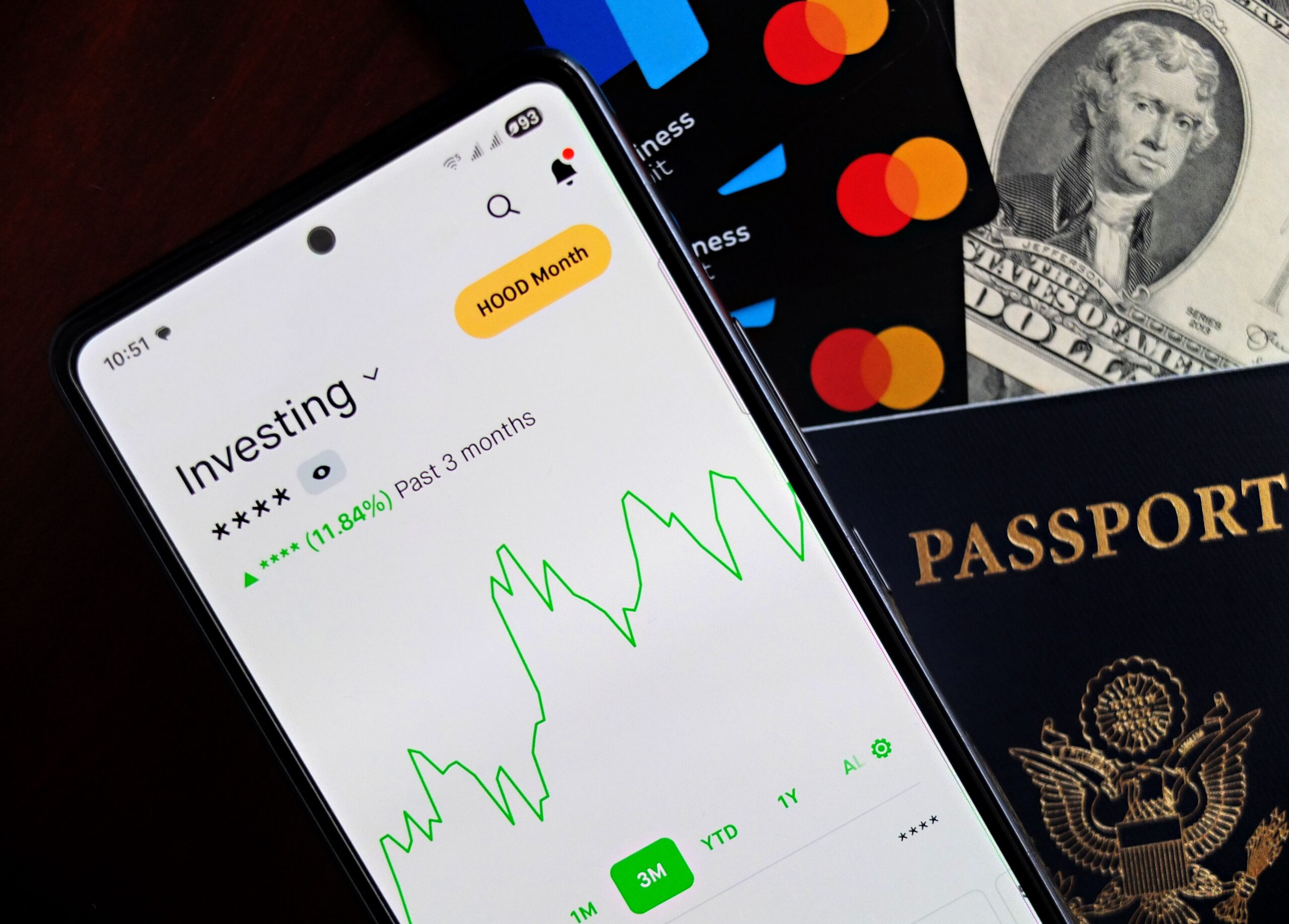
Best Investment Apps for Beginners in 2026: Top Platforms to Start Investing
SEO Title: Best Investment Apps for Beginners in 2026: Top Picks & Fees
Meta Description: Discover the best investment apps for beginners in 2026. Compare Fidelity, Charles Schwab, Robinhood, SoFi, Acorns, and more based on fees, fractional shares, automation, education, and ease of use.
Suggested URL Slug: /best-investment-apps-for-beginners-2026/
Primary Keyword: best investment apps for beginners in 2026
Secondary Keywords:
- best investment apps for beginners
- best investing apps 2026
- investment apps for beginners
- best stock trading apps
- best apps to start investing
- beginner investing apps
- investing apps with fractional shares
- best robo advisor apps
- commission-free investing apps
- how to start investing
- investing for beginners
- best brokerage apps 2026
- best app for buying stocks
- best app for ETFs
- best investment app for small amounts
Search Intent: Informational + Commercial Investigation
Suggested Length: 7,000+ words
Best Investment Apps for Beginners in 2026: Top Platforms to Start Investing
Investing has never been more accessible.
You no longer need to visit a brokerage office, speak with a financial representative, or have thousands of dollars sitting in a bank account before you can begin.
With a smartphone and an investment account, many beginners can start building a portfolio with a relatively small amount of money.
But accessibility creates another problem:
Which investment app should you actually use?
There are dozens of investing platforms available in 2026, and they aren’t all designed for the same type of investor.
Some focus on simplicity.
Others provide advanced research.
Some specialize in automated investing.
Others are designed around active trading.
Some let investors buy fractional shares with as little as $1, while others are better suited to people with larger portfolios.
The best investment apps for beginners in 2026 therefore aren’t necessarily the apps with the most features.
The best platform is the one that makes it easier for you to invest consistently, understand what you’re buying, control costs, and avoid unnecessary complexity.
In this guide, we’ll compare some of the leading investment platforms for beginners, including Fidelity, Charles Schwab, Robinhood, SoFi, Acorns, and robo-advisor options.
We’ll also explain how to choose an investment app, what fees to watch, whether fractional shares are useful, how much money you need to start investing, and which types of accounts beginners should consider.
Important: Investment products, fees, features, eligibility requirements, and promotions can change. Verify current terms directly with the investment provider before opening an account. Investing involves risk, including possible loss of principal.
What Is an Investment App?
An investment app is a mobile or web-based platform that allows you to manage investments.
Depending on the provider, an investment app may allow you to:
- Buy stocks
- Buy ETFs
- Purchase mutual funds
- Invest in bonds
- Open an IRA
- Build a retirement portfolio
- Buy fractional shares
- Automate recurring investments
- Use a robo-advisor
- Monitor portfolio performance
- Research companies
- Track market news
- Manage cash
- Set financial goals
Some apps are full-service brokerages.
Others are primarily designed for automated investing.
Still others focus on making investing simple for people who are completely new to financial markets.
Are Investment Apps Safe?
A legitimate investment app can be a convenient way to access a regulated brokerage account, but that doesn’t mean investments themselves are risk-free.
This distinction is extremely important.
The brokerage platform and the investments you purchase are two different things.
For example, a brokerage account may hold stocks and ETFs.
If the stock market falls, the value of your investments can fall.
Brokerage protections such as SIPC protection are not the same thing as insurance against investment losses.
SIPC protection generally addresses the loss of cash and securities held by a SIPC-member brokerage if the firm fails, subject to applicable limits and rules. It does not protect you against a decline in the market value of your investments.
Before opening an account, verify the firm’s regulatory status and understand what protections apply.
Our Picks for the Best Investment Apps for Beginners in 2026
The right choice depends on your investing style.
Here are several platforms worth considering:
| Investment App | Best For | Beginner Advantage |
|---|---|---|
| Fidelity | Overall beginner investing | Low costs, broad investment selection, fractional shares |
| Charles Schwab | Beginners who want a full-service brokerage | Strong research, $0 online stock/ETF commissions |
| Robinhood | Simple mobile investing | Easy interface and fractional shares |
| SoFi Invest | Beginners wanting investing + financial products | Simple investing experience |
| Acorns | Automated saving and investing | Round-ups and automatic investing |
| Fidelity Go | Hands-off beginners | Automated portfolio management |
| Schwab Intelligent Portfolios | Robo-advisor investors | Automated diversified portfolios |
| Other robo-advisors | Goal-based investing | Automation and portfolio management |
No single platform wins in every category.
1. Fidelity — Best Overall Investment App for Beginners
Fidelity Investments is one of the strongest all-around choices for beginners who want an investment platform they can continue using as their financial knowledge grows.
Fidelity offers individual brokerage accounts, IRAs, mutual funds, ETFs, stocks, bonds, and automated investing options.
Its retail brokerage account has no account minimum and no account fees, while Fidelity says online U.S. stock and most ETF trades have $0 commissions. It also supports fractional investing with as little as $1 in eligible securities.
That combination makes Fidelity particularly appealing to first-time investors.
Why Fidelity Is Good for Beginners
One of the biggest advantages is that you don’t have to outgrow the platform quickly.
A beginner might start with:
- $50 per month
- A diversified ETF
- An IRA
- Automatic investments
Later, that same investor can use Fidelity for:
- Retirement accounts
- Taxable brokerage investing
- Mutual funds
- Bonds
- More advanced research
- Financial planning
This creates continuity.
Key features
- $0 account minimum for many retail brokerage accounts
- $0 online commissions for U.S. stocks and most ETFs
- Fractional shares
- Recurring investments
- IRAs
- Extensive research
- Mutual funds
- ETFs
- Bonds
- Retirement tools
Fidelity states that eligible fractional investing can begin with as little as $1.
Potential downside
Fidelity offers a huge amount of information.
That’s useful once you become more experienced, but it can initially feel overwhelming.
A beginner should resist the temptation to trade simply because the platform makes trading easy.
Best for
Beginners who want a low-cost brokerage with enough features to support them for years.
2. Charles Schwab — Best for Beginners Who Want a Full-Service Brokerage
Charles Schwab is another excellent choice for new investors who want access to a broad financial ecosystem.
Charles Schwab currently advertises $0 online commissions for listed stocks and ETFs, along with no account or trade minimums. Options carry a separate per-contract fee.
That makes Schwab competitive for beginners who want to learn investing without paying a commission every time they purchase a listed stock or ETF online.
Why Schwab Stands Out
Schwab offers:
- Individual brokerage accounts
- Traditional IRAs
- Roth IRAs
- ETFs
- Stocks
- Mutual funds
- Bonds
- Options
- Financial planning
- Automated investing
- Research tools
It also has a significant physical branch presence, which can be useful to people who prefer in-person support.
Schwab for long-term investors
One of the biggest benefits of choosing a major brokerage is that you don’t necessarily have to move when your financial situation changes.
You might begin with $100.
Years later, you could have a six-figure portfolio.
The platform can continue supporting you.
Potential downside
Like Fidelity, Schwab offers a large number of tools.
A beginner interested only in buying one diversified ETF every month may find the platform more complicated than necessary.
Best for
Beginners who want a traditional brokerage experience with strong research, investment choices, and long-term flexibility.
3. Robinhood — Best for a Simple Mobile Investing Experience
Robinhood is one of the most recognizable investment apps in the U.S.
Its popularity comes partly from a mobile-first experience designed to make buying and selling investments straightforward.
Robinhood currently advertises $0 commission fees on stocks, ETFs, and options, although other fees can apply and certain products have additional costs.
The platform also supports fractional shares.
Robinhood says eligible fractional shares can be traded in real time with a minimum value of $1.
Why Beginners Like Robinhood
The app is designed around simplicity.
You can generally:
- Search for an investment
- Review information
- Enter a dollar amount
- Place an order
- Monitor your portfolio
For someone who finds traditional brokerage platforms intimidating, this can reduce the initial learning curve.
Recurring investments
Robinhood also offers recurring investment functionality, allowing users to automate contributions.
Automation can be valuable for beginners because successful long-term investing is often less about predicting tomorrow’s market movement and more about contributing consistently.
Robinhood Gold
Robinhood also offers a paid Gold subscription.
As of 2026, Robinhood lists Gold at $5 per month or $50 per year and includes additional features.
However, beginners shouldn’t assume that paying for premium features is necessary.
You can invest without subscribing to every available feature.
Potential downside
The simplicity that makes Robinhood attractive can also encourage frequent trading.
A beginner may see market movements, notifications, trending stocks, and other features and feel pressure to act.
That can work against a long-term investment strategy.
Best for
Beginners who prioritize an easy-to-use mobile interface and want to start with small amounts.
4. SoFi Invest — Best for an Integrated Financial Experience
SoFi is another platform worth considering for beginners who want investing alongside other financial products.
SoFi’s ecosystem can include:
- Investing
- Banking
- Loans
- Credit
- Financial planning
- Retirement accounts
The appeal is convenience.
Instead of managing financial products across many companies, some users prefer having more of their financial life under one roof.
Why SoFi Can Work for Beginners
New investors often have several financial priorities at the same time.
They may be trying to:
- Build an emergency fund
- Pay down debt
- Save for retirement
- Invest
- Improve credit
- Manage everyday banking
A broader financial ecosystem can make those tasks easier to organize.
Potential downside
If you’re specifically looking for the deepest possible investment research and the widest selection of sophisticated investment products, a traditional full-service brokerage may be more suitable.
Best for
Beginners who want investing integrated with a broader personal-finance platform.
5. Acorns — Best for Automated Saving and Investing
Acorns takes a different approach.
Rather than focusing primarily on active investment selection, Acorns emphasizes automatic saving and investing.
One of its best-known concepts is round-up investing.
For example, if you spend:
$4.50
A round-up system could potentially move the difference toward the next dollar into savings or investing, depending on the account and current terms.
The idea is to make investing feel almost automatic.
Why Acorns Is Attractive to Beginners
Some people don’t struggle with knowing what to invest in.
They struggle with actually starting.
Automation can solve that behavioral problem.
Instead of waiting until the end of the month to see whether you have money left, you can establish an automatic system.
Potential advantages
- Beginner-friendly concept
- Automated investing
- Goal-based saving
- Simple experience
- Designed around recurring financial habits
Potential downside
Acorns uses subscription-based pricing, so you should compare the subscription cost with your account balance and the value of the features you actually use.
A fee that seems small can represent a meaningful percentage of a very small portfolio.
Best for
People who want investing to happen automatically and prefer a simple, habit-based approach.
6. Fidelity Go — Best for Hands-Off Beginners
Some beginners don’t want to choose investments themselves.
That’s where a robo-advisor can help.
Fidelity Go is Fidelity’s automated investing service.
Fidelity currently states that there is no minimum to open a Fidelity Go account, $10 is required to start investing, and the service charges no advisory fee under $25,000, with a 0.35% annual advisory fee at $25,000 and above.
The basic process is simple.
You provide information about:
- Financial goals
- Time horizon
- Risk tolerance
The service then builds and manages a portfolio for you.
Why Robo-Advisors Can Be Good for Beginners
Investing involves many decisions.
A robo-advisor can reduce the number of decisions you need to make.
Instead of asking:
Which stocks should I buy?
You can focus on:
How much should I invest every month?
That can be a much healthier question for a beginner.
Potential downside
You have less direct control over individual investments.
That’s intentional.
Best for
Beginners who want automated portfolio management rather than choosing individual securities themselves.
7. Schwab Intelligent Portfolios — Best for Hands-Off Investors With More Money to Start
Schwab Intelligent Portfolios is another robo-advisor option.
A 2026 review notes that Schwab Intelligent Portfolios has no advisory fee or commission, but requires a $5,000 minimum investment, with ETF expense ratios still applying.
The service builds portfolios using ETFs and allows investors to select from different risk profiles.
Why It Can Be Attractive
For someone who has $5,000 or more and wants automated investing, the service can provide:
- Portfolio construction
- Diversification
- Automated management
- Rebalancing
- Different risk profiles
Potential downside
The $5,000 minimum makes it less accessible than robo-advisors that allow investors to begin with much smaller amounts.
Best for
Beginners with at least $5,000 who want a largely automated portfolio.
What Is the Best Investment App for Beginners?
If you want one simple answer:
Fidelity is one of the strongest all-around choices for beginners in 2026.
Why?
Because it combines:
- Low costs
- Fractional shares
- Low account minimums
- Broad investment choices
- Retirement accounts
- Research
- Educational resources
- Automated investing
- Room to grow
Fidelity says retail brokerage accounts can be opened with no account minimum or account fee, and eligible fractional investing can start at $1.
However, “best” depends on your goals.
Choose Fidelity if:
You want a complete long-term brokerage.
Choose Schwab if:
You want a traditional full-service brokerage and strong research.
Choose Robinhood if:
You prioritize a simple mobile experience.
Choose SoFi if:
You want investing integrated with broader financial services.
Choose Acorns if:
You want automatic saving and investing.
Choose Fidelity Go if:
You want automated investing with a low starting amount.
Choose Schwab Intelligent Portfolios if:
You want automated investing and can meet the $5,000 minimum.
Investment Apps vs. Brokerage Accounts
One important concept beginners should understand is that an investment app isn’t necessarily the investment itself.
The app is the interface.
Behind it is usually a brokerage account.
Think of it like online banking.
Your banking app lets you access your bank account.
Similarly, an investment app lets you access your brokerage account.
What matters most is what you own inside that account.
For example, you could use an app to purchase:
- An S&P 500 index fund
- A total-market ETF
- Individual stocks
- Bonds
- Mutual funds
The app doesn’t determine whether those investments will rise or fall.
The investments themselves carry the market risk.
What Should a Beginner Invest In?
This is one of the most important questions.
A beginner should generally avoid assuming that investing means picking individual stocks.
There are many ways to invest.
Individual Stocks
You buy shares of individual companies.
Potential benefit:
- Direct ownership
- Potential for high returns
Risk:
- Higher company-specific risk
- Requires research
- A single company can perform poorly
ETFs
Exchange-traded funds can hold many investments inside one fund.
For example, a broad-market ETF may hold hundreds or thousands of companies.
Potential advantages:
- Diversification
- Convenience
- Often relatively low costs
- Simple portfolio construction
Mutual Funds
Mutual funds can also provide diversification.
They’re particularly common in retirement accounts.
Bonds
Bonds can provide exposure to fixed-income investments and may play an important role in portfolios depending on the investor’s goals and risk tolerance.
Why Index Funds Are Popular With Beginners
Index investing is popular because it can simplify portfolio construction.
Instead of trying to identify the next winning stock, an investor can buy a fund designed to track a broad market index.
For example, instead of choosing:
- Company A
- Company B
- Company C
- Company D
An investor could purchase a diversified fund containing many companies.
This can reduce company-specific risk.
It doesn’t eliminate investment risk.
Broad stock-market funds can still fall substantially during market downturns.
How Much Money Do You Need to Start Investing?
You don’t necessarily need thousands of dollars.
Some platforms allow investors to purchase fractional shares for as little as $1.
Fidelity explicitly advertises fractional investing starting at $1.
Robinhood likewise says eligible fractional shares can be purchased with as little as $1.
That means someone could potentially start with:
$10
or:
$25
or:
$50
The bigger question isn’t:
How much do I need to start?
It’s:
How much can I invest consistently?
Why Investing $50 a Month Matters
Suppose you invest $50 every month.
That’s:
$600 per year.
Over five years:
$3,000 contributed.
Over ten years:
$6,000 contributed.
Investment returns could increase the account value, but returns aren’t guaranteed.
The important lesson is that consistent contributions can become significant over long periods.
What If You Can Invest $100 a Month?
$100 per month equals:
$1,200 per year.
Over ten years:
$12,000 contributed.
Over twenty years:
$24,000 contributed.
Again, actual investment results depend on market performance.
This illustrates why starting early can matter.
What If You Invest $500 a Month?
$500 per month equals:
$6,000 per year.
Over ten years:
$60,000 contributed.
Over twenty years:
$120,000 contributed.
This doesn’t mean you’ll necessarily have $120,000 after 20 years.
Your investment could be worth more or less depending on market returns.
But regular contributions can form the foundation of a long-term investing strategy.
The Power of Compound Growth
Compound growth occurs when your investment earnings generate additional earnings over time.
For example:
You invest $10,000.
It earns returns.
Those returns remain invested.
Future returns can then apply to both the original investment and previous gains.
This is one reason investors often focus on long-term time horizons.
The earlier you begin, the more time your contributions potentially have to compound.
But remember:
Compounding works in both directions.
Losses can compound too.
Investing is never guaranteed.
What Is a Fractional Share?
A fractional share is less than one full share of a security.
Suppose a stock costs:
$500 per share.
If your brokerage supports fractional shares, you might invest:
$50
and own approximately one-tenth of a share.
Fractional shares make investing more accessible because you don’t need enough money to purchase an entire share.
Fidelity and Robinhood both currently support fractional investing in eligible securities, with minimums as low as $1.
Are Fractional Shares Good for Beginners?
They can be.
Fractional shares are particularly useful if:
- You have a small starting balance
- You want to invest a fixed dollar amount
- You use recurring investments
- You want to diversify with limited money
For example, you could invest exactly:
$100 per month
rather than waiting until you have enough money to buy a full share.
What Fees Should Beginners Watch For?
Fees are one of the most important factors when choosing an investment app.
Look beyond the phrase “commission-free.”
A platform may offer $0 stock commissions while charging other fees.
Potential costs include:
- Advisory fees
- Subscription fees
- Options contract fees
- Fund expense ratios
- Wire fees
- Transfer fees
- Account service fees
- Margin interest
- Cryptocurrency spreads
- Broker-assisted trading fees
Charles Schwab, for example, advertises $0 online commissions for listed stocks and ETFs, but options have a $0.65 per-contract fee and broker-assisted trades can carry service charges.
The lesson is simple:
Read the complete fee schedule.
Expense Ratios Matter Too
Suppose you invest in an ETF.
The ETF itself may charge an annual expense ratio.
You don’t normally receive a separate bill.
Instead, the fund’s expenses are reflected in its performance.
Consider two hypothetical funds:
Fund A: 0.05% expense ratio
Fund B: 0.50% expense ratio
The difference may seem tiny.
But over many years and with a large portfolio, costs can become meaningful.
This is one reason many long-term investors pay close attention to low-cost index funds.
Investment App vs. Robo-Advisor: Which Is Better?
The answer depends on how much control you want.
Traditional brokerage
You choose your investments.
Good for:
- Self-directed investors
- People who want control
- Investors willing to learn
Robo-advisor
The service chooses and manages a portfolio.
Good for:
- Hands-off investors
- Beginners
- People who don’t want to research individual investments
Neither approach is automatically superior.
Best Investment Apps for Different Beginners
Best Overall
Fidelity
Strong combination of low costs, investment choices, fractional shares, retirement accounts, and long-term flexibility.
Best for Mobile Simplicity
Robinhood
Strong choice for beginners who value a straightforward mobile interface and fractional investing.
Best Traditional Brokerage
Charles Schwab
Strong research, broad investment selection, $0 online listed stock and ETF commissions, and no account or trade minimums.
Best for Automated Investing
Fidelity Go
Useful for beginners who don’t want to select and rebalance investments themselves. Fidelity says there is no minimum to open and $10 to start investing.
Best for Automated Saving Habits
Acorns
Designed around automatic saving and investing.
Best for a Broader Financial Ecosystem
SoFi Invest
Useful for people who want investing alongside other personal-finance products.
How to Choose the Best Investment App
Before opening an account, answer these questions.
1. What am I investing for?
Possible goals:
- Retirement
- House
- Education
- Long-term wealth
- General investing
- Short-term goal
Your goal determines the appropriate account and investment strategy.
2. How long will I invest?
Time horizon matters.
Money needed in six months shouldn’t generally be treated the same as money intended for retirement 30 years from now.
A longer time horizon may allow an investor to tolerate more market volatility.
A short time horizon usually calls for greater attention to preserving capital.
3. Do I want to choose investments myself?
If yes, consider a traditional brokerage.
If no, consider a robo-advisor.
4. How much can I invest?
If you have only $20 per month, choose an app with:
- Low minimums
- Fractional shares
- Low fees
- Recurring investments
If you have $50,000, you’ll have different priorities.
5. Do I need an IRA?
If retirement is your goal, investigate whether a Traditional IRA or Roth IRA is appropriate for your circumstances.
An IRA can provide tax advantages that a standard taxable brokerage account doesn’t provide.
However, contribution limits and tax rules apply.
For 2026, verify current IRS rules before making contributions because retirement-account limits and eligibility rules can change.
Roth IRA vs. Taxable Brokerage Account
A Roth IRA can be attractive for eligible retirement savers because qualified withdrawals can generally be tax-free.
A taxable brokerage account offers more flexibility because it isn’t designed specifically for retirement.
Roth IRA
Potential benefits:
- Tax-free qualified withdrawals
- Tax-advantaged retirement growth
- Suitable for long-term retirement investing
Potential limitations:
- Contribution limits
- Income eligibility rules
- Retirement-focused structure
Taxable brokerage
Potential benefits:
- No annual contribution limit
- Flexible withdrawals
- Useful for goals before retirement
Potential drawbacks:
- Taxable dividends
- Potential capital-gains taxes
- No special retirement tax treatment
For many people, the best approach may involve both.
How to Start Investing With an Investment App
The process is usually straightforward.
Step 1: Choose a Brokerage
Compare:
- Fees
- Minimums
- Investment selection
- Fractional shares
- Automation
- Research
- Retirement accounts
Step 2: Open an Account
You’ll typically provide personal and identification information.
Step 3: Connect Your Bank
Link your checking or savings account.
Step 4: Deposit Money
Transfer an amount you’re comfortable investing.
Step 5: Select Your Investment
Choose an investment based on your goals and risk tolerance.
Step 6: Set Up Automatic Contributions
For example:
$100 every month.
Step 7: Leave the Strategy Alone
Avoid constantly changing investments based on daily market movements.
Why Beginners Should Avoid Constant Trading
An investment app can make trading feel like a game.
Prices move.
Charts move.
News appears.
Stocks become “trending.”
It’s tempting to buy and sell constantly.
But investing and trading aren’t the same thing.
Investing
Generally focuses on long-term ownership and wealth accumulation.
Trading
Generally involves buying and selling more frequently to benefit from price movements.
Trading requires significantly more attention and carries substantial risks.
A beginner building retirement wealth may be better served by a diversified, long-term approach than by trying to predict short-term market movements.
Don’t Choose an Investment Because It Is Trending
Social media can make certain investments look irresistible.
You might see:
“This stock is going to explode!”
or:
“Everyone is buying this ETF!”
Don’t invest simply because something is popular.
Ask:
- What does the investment own?
- Why am I buying it?
- What is my time horizon?
- What could cause it to lose value?
- Does it fit my portfolio?
- What are the fees?
If you can’t explain why you own something, you probably shouldn’t rush into buying it.
Diversification for Beginners
Diversification means spreading investments across different assets or companies.
Imagine investing $10,000 entirely in one company.
If that company suffers a major setback, your portfolio could be severely affected.
Now imagine investing in a diversified fund containing hundreds or thousands of companies.
One company’s failure has less impact on the entire portfolio.
Diversification doesn’t eliminate risk.
The entire market can decline.
But it can reduce the risk associated with relying on a single investment.
Why Emergency Savings Should Come Before Aggressive Investing
Investing can be excellent for long-term goals.
But your emergency fund serves a different purpose.
Suppose you invest your entire cash reserve in stocks.
Then your car breaks down.
At the same time, the market falls 25%.
You may be forced to sell investments at a loss.
A better approach for many households is to establish an appropriate emergency reserve before aggressively investing money they may need soon.
For more information, link to:
How to Build an Emergency Fund
Investment Apps and Automatic Investing
Automatic investing is one of the most useful features available to beginners.
Suppose you invest:
$200 every month.
You don’t need to remember to make the purchase.
The system handles it according to your instructions.
Over time, this creates consistency.
Fidelity and Robinhood both provide recurring investment functionality.
Automation can also reduce emotional decision-making.
Instead of asking:
“Should I invest this month? The market looks scary.”
The system continues according to your predetermined plan.
However, automatic investing doesn’t eliminate investment risk.
Dollar-Cost Averaging
Regularly investing a fixed amount is often called dollar-cost averaging.
For example:
January: $200
February: $200
March: $200
April: $200
When prices are higher, your $200 buys fewer shares.
When prices are lower, your $200 buys more.
Over time, your purchase price is averaged across different market conditions.
Dollar-cost averaging doesn’t guarantee a profit and doesn’t guarantee protection from losses.
Its primary benefit for many beginners is behavioral:
It creates a consistent investing habit.
Should Beginners Invest in Individual Stocks?
They can, but individual stocks carry company-specific risk.
If you want to learn about individual companies, consider limiting that portion of your portfolio rather than putting all your money into one or two stocks.
For example, someone might have a diversified core portfolio and a smaller amount dedicated to individual companies for learning or personal interest.
The appropriate allocation depends on your circumstances and risk tolerance.
Should Beginners Invest in Cryptocurrency?
Cryptocurrency is highly volatile and can involve substantial risks.
Beginners shouldn’t assume that because an investment app makes crypto easy to buy, it is therefore appropriate for their financial goals.
Before considering crypto, understand:
- Price volatility
- Regulatory uncertainty
- Custody risks
- Tax considerations
- Potential loss of capital
Never invest emergency savings or money you cannot afford to lose in highly speculative assets.
What Is a Robo-Advisor?
A robo-advisor is a digital investment service that uses algorithms to construct and manage portfolios.
You generally answer questions about:
- Goals
- Age
- Risk tolerance
- Time horizon
- Financial situation
The platform then creates a portfolio.
Some robo-advisors also automatically rebalance the portfolio.
This can make investing easier for someone who doesn’t want to select ETFs manually.
Are Robo-Advisors Good for Beginners?
They can be.
Robo-advisors can reduce complexity.
Instead of deciding:
- Which ETFs?
- How many?
- What percentage?
- When to rebalance?
The platform handles much of the process.
The tradeoff is less direct control.
You also need to understand the advisory fee and underlying fund expenses.
What Is the Cheapest Investment App?
There isn’t necessarily one cheapest app for every investor.
Many major brokers now offer $0 online commissions for listed stocks and ETFs.
For example, Fidelity says it charges $0 commissions for online U.S. stock and most ETF trades, while Schwab advertises $0 online commissions for listed stocks and ETFs.
But commission-free doesn’t mean cost-free.
Always compare:
- Fund expense ratios
- Advisory fees
- Subscription fees
- Options fees
- Margin interest
- Other account charges
Best Investment App for Investing $10
If you have only $10, fractional shares are particularly useful.
Fidelity supports eligible fractional investments starting at $1.
Robinhood also supports eligible fractional shares starting at $1.
That means a beginner can potentially start without waiting until they have enough money for an entire share.
The goal isn’t to become wealthy from a $10 investment.
The goal is to develop the habit of investing.
Best Investment App for Investing $100
With $100, you can start building a small diversified portfolio if the platform supports fractional shares.
For example, instead of needing enough money to purchase a full share of an expensive stock, you could allocate a fixed dollar amount to eligible securities.
This can make the first investment less intimidating.
Best Investment App for Investing $1,000
At $1,000, you have more flexibility.
You could potentially build a diversified portfolio using ETFs or other investments.
You should still focus on:
- Diversification
- Low costs
- Long-term goals
- Appropriate risk
Don’t assume that having more money means you need more investments.
A simple portfolio can be easier to manage than a complicated one.
Best Investment App for Retirement
For retirement, consider whether the platform offers:
- Traditional IRA
- Roth IRA
- Rollover IRA
- Automatic contributions
- Low-cost investments
- Retirement planning tools
Fidelity and Schwab both offer extensive retirement-account choices.
A retirement account can be more important than the specific app interface.
Best Investment App for Young Investors
Young investors generally have a major advantage:
Time.
But minors can’t simply open every type of investment account on their own.
For example, Fidelity offers a Fidelity Youth Account for teens, which is designed for ages 13–17 with parental involvement. Fidelity says there are no account or subscription fees or minimums to open, and eligible teens can invest with as little as $1 using fractional shares.
Young adults who are 18 or older can generally explore standard brokerage and retirement accounts subject to eligibility requirements.
Best Investment Apps for Parents
Parents investing for children should understand the differences between:
- Custodial accounts
- 529 plans
- Youth brokerage accounts
- Traditional savings
- Retirement accounts for eligible workers
A custodial brokerage account can provide broad investment choices, while a 529 plan is specifically designed for qualified education expenses.
Fidelity’s custodial accounts, for example, can provide access to stocks, bonds, ETFs, mutual funds, CDs, and fractional shares.
Investment App Features Beginners Should Prioritize
Don’t be distracted by flashy features.
Focus on these.
Low costs
Fees reduce long-term returns.
Fractional shares
Useful when starting with small amounts.
Recurring investments
Makes consistency easier.
Retirement accounts
Important for long-term financial planning.
Educational resources
Useful when you’re learning.
Strong security
Your financial information should be protected with appropriate security measures.
Easy transfers
Moving money shouldn’t be unnecessarily complicated.
Reliable customer service
Important when something goes wrong.
Features Beginners May Not Need
You don’t necessarily need:
- Margin trading
- Options
- Futures
- Advanced technical charts
- Complex derivatives
- High-frequency trading tools
- Leverage
- Speculative investments
Having access to advanced tools doesn’t mean you should use them.
In fact, one of the best investing decisions a beginner can make is not using financial products they don’t understand.
Common Beginner Investment Mistakes
Mistake 1: Investing Without an Emergency Fund
Keep appropriate cash reserves for emergencies.
Mistake 2: Investing Money Needed Soon
Money needed for a near-term purchase shouldn’t automatically be placed in volatile assets.
Mistake 3: Chasing Hot Stocks
Past performance doesn’t guarantee future returns.
Mistake 4: Trading Too Often
Frequent trading can increase costs and emotional decision-making.
Mistake 5: Ignoring Fees
Small fees can accumulate over decades.
Mistake 6: Putting Everything Into One Stock
Concentration increases risk.
Mistake 7: Panic Selling
Market declines are part of investing.
Mistake 8: Using Margin Without Understanding It
Borrowing to invest can magnify losses.
Mistake 9: Following Social Media Tips Blindly
Popularity isn’t due diligence.
Mistake 10: Waiting for the “Perfect” Time
Beginners can spend years waiting for the ideal entry point.
How to Avoid Panic During a Market Crash
Market declines are uncomfortable.
Your account balance may fall.
News headlines may become frightening.
People may predict that the market will fall even further.
Before investing, establish your strategy.
Ask:
What is my time horizon?
If you’re investing for retirement 30 years from now, a short-term market decline is fundamentally different from money you need next month.
Your investment allocation should reflect your ability and willingness to tolerate volatility.
How Often Should Beginners Check Their Investment Apps?
Probably less often than they think.
If you’re investing for retirement, checking your account five times every day doesn’t improve your long-term strategy.
It can actually increase anxiety.
Consider checking:
- Monthly
- Quarterly
- When making contributions
- When reviewing your financial plan
The exact schedule isn’t important.
The goal is to avoid letting short-term price movements control your decisions.
How to Build a Beginner Investment Routine
A simple routine might look like this:
Every payday
Transfer money to your investment account.
Once a month
Make your scheduled investment.
Every quarter
Review your portfolio.
Once a year
Review:
- Goals
- Risk tolerance
- Contribution rate
- Account type
- Fees
- Asset allocation
This is usually more productive than constantly watching market prices.
A Simple Beginner Investment Plan
If you want a straightforward starting framework, consider the following process.
Step 1
Build an emergency fund appropriate for your circumstances.
Step 2
Pay attention to high-interest debt.
Step 3
Choose a reputable brokerage.
Step 4
Open an appropriate account.
Step 5
Select diversified investments suitable for your goals.
Step 6
Automate contributions.
Step 7
Avoid unnecessary trading.
Step 8
Review your plan periodically.
This approach is intentionally boring.
That’s a feature, not a flaw.
Best Investment Apps in 2026: Quick Comparison
| App | Best For | Fractional Shares | Automation | Robo Option |
|---|---|---|---|---|
| Fidelity | Overall | Yes | Yes | Yes |
| Charles Schwab | Full-service investing | Selected features/products | Yes | Yes |
| Robinhood | Mobile simplicity | Yes | Yes | Yes |
| SoFi | Integrated finance | Available on eligible investments/products | Yes | Available |
| Acorns | Automatic saving | Portfolio-based | Strong | Core model |
| Fidelity Go | Hands-off investing | Portfolio-based | Strong | Yes |
| Schwab Intelligent Portfolios | Automated portfolios | Portfolio-based | Strong | Yes |
Features and eligibility can change, so confirm current details before opening an account.
How Investment Apps Make Money
If you’re wondering how an app can offer $0 stock commissions, there are several possible revenue sources.
Depending on the provider, these can include:
- Interest earned on customer cash
- Subscription fees
- Advisory fees
- Payment for certain services
- Margin interest
- Options-related fees
- Securities lending
- Other financial products
This is another reason to read the company’s disclosures.
“Free” doesn’t necessarily mean the company has no revenue model.
Why Simplicity Is a Financial Advantage
Beginners sometimes assume the best investment app is the one with the most features.
That’s often backwards.
If having 50 tools makes you trade more frequently, those features may hurt rather than help.
A simple app can be better if it helps you:
- Deposit money
- Buy diversified investments
- Automate contributions
- Monitor progress
- Stay disciplined
The best platform is the one that supports good behavior.
Should You Use Multiple Investment Apps?
You can, but you don’t necessarily need to.
Using multiple platforms may make sense if:
- One has a better retirement offering
- Another has a particular investment you want
- You want to separate accounts
- You’re taking advantage of different services
But multiple accounts can create:
- More paperwork
- More tax forms
- More passwords
- More portfolio complexity
For most beginners, one strong brokerage is enough.
When Should You Switch Investment Apps?
Don’t switch simply because another platform has a prettier app.
Consider switching if:
- Fees are significantly higher
- Customer service is poor
- Investment options are inadequate
- You need retirement features the platform doesn’t offer
- The interface makes investing difficult
- Your financial needs have changed
Before transferring an account, understand any tax consequences, transfer fees, or differences in investment availability.
Investment App Security Tips
Your account contains sensitive financial information.
Protect it.
Use a strong password
Don’t reuse your brokerage password elsewhere.
Enable two-factor authentication
This adds another security layer.
Avoid logging in on public computers
Especially for financial accounts.
Monitor account activity
Review transactions regularly.
Be skeptical of investment scams
Scammers may impersonate brokers, financial professionals, or customer-support representatives.
Never give someone your password or security codes simply because they claim to be from your brokerage.
How to Start Investing Today
If you’ve never invested before, the process can feel intimidating.
But you can break it down.
Today
Research two or three brokerages.
Tomorrow
Compare fees and account types.
This week
Open an account if you’ve decided which platform fits your needs.
Next payday
Make your first contribution.
Every month
Continue investing.
You don’t need to know everything before you begin learning.
But you should understand what you’re buying before you purchase it.
Frequently Asked Questions
What is the best investment app for beginners in 2026?
Fidelity is one of the strongest overall choices because it combines low costs, fractional shares, broad investment choices, retirement accounts, research, and automated investing. Fidelity states that retail brokerage accounts have no account minimums or account fees, while eligible fractional investing can start at $1.
Is Robinhood good for beginners?
Robinhood can be useful for beginners who value a simple mobile experience and fractional investing. It supports eligible fractional shares starting at $1 and offers recurring investments.
However, beginners should avoid confusing an easy-to-use trading interface with a recommendation to trade frequently.
Is Fidelity better than Robinhood for beginners?
It depends on your goals. Fidelity generally offers a broader traditional brokerage ecosystem and extensive investment choices, while Robinhood emphasizes a streamlined mobile experience.
Is Charles Schwab good for new investors?
Yes. Schwab offers $0 online commissions for listed stocks and ETFs and has no account or trade minimums, making it accessible to many beginners.
How much money do I need to start investing?
You may be able to start with as little as $1 if the brokerage supports fractional shares. Fidelity and Robinhood both advertise eligible fractional investing starting at $1.
What is the easiest investment app to use?
Ease of use is subjective. Robinhood is known for a simple mobile-first experience, while Fidelity and Schwab offer broader financial tools and investment choices.
Should beginners use a robo-advisor?
A robo-advisor can be a good option if you don’t want to select and manage investments yourself. Fidelity Go, for example, automatically manages portfolios based on your goals and risk profile.
Is Acorns good for beginners?
Acorns may be attractive to people who want automatic saving and investing. Before subscribing, compare the current membership cost with your account balance and the value of the features you will actually use.
Can I invest $10 a month?
Yes, if your brokerage supports small-dollar or fractional investing. However, the more important objective is building a sustainable habit and increasing contributions as your financial situation improves.
Are investment apps free?
Many major brokers offer $0 online commissions on certain stock and ETF trades, but other costs may apply. Advisory services, fund expenses, subscriptions, options, margin, and other services can carry fees.
Are investment apps safe?
Reputable brokerages use security systems and operate within financial regulatory frameworks, but investing itself involves risk. Brokerage protection is not the same as protection against market losses.
Can I lose money using an investment app?
Yes. If you invest in stocks, ETFs, or other market-based securities, their value can decline. An investment app makes investing easier but doesn’t remove investment risk.
Should I invest in stocks or ETFs?
Many beginners prefer diversified ETFs because a single fund can provide exposure to many investments. Individual stocks can provide greater concentration and company-specific risk.
How often should I invest?
Many long-term investors choose a regular schedule, such as every payday or every month. Automation can make consistency easier.
Should I invest before paying off debt?
It depends on the type and interest rate of the debt and your financial circumstances. High-interest debt can be particularly expensive, so many investors prioritize paying it down while maintaining an appropriate emergency reserve.
Final Verdict: Best Investment Apps for Beginners in 2026
The best investment app isn’t necessarily the app with the flashiest interface, the most advanced charting tools, or the largest number of tradable securities.
For beginners, the most important features are often much simpler:
Low costs.
Easy account opening.
Fractional shares.
Automatic investing.
Diversification.
Retirement accounts.
Good educational resources.
Strong security.
Based on the current 2026 feature and pricing information reviewed for this guide, Fidelity is one of the strongest overall choices for beginners because it combines $0 account fees and minimums on its retail brokerage account with fractional investing starting at $1 and a broad range of investment and retirement options.
Charles Schwab is another excellent option for investors who want a traditional full-service brokerage, strong research, and $0 online commissions for listed stocks and ETFs.
Robinhood may appeal to beginners who want an especially straightforward mobile experience and the ability to buy eligible fractional shares with as little as $1.
Fidelity Go and Schwab Intelligent Portfolios can be appropriate for investors who want a more hands-off approach, although their requirements and fees differ.
The most important decision, however, isn’t which logo appears on your phone.
It’s what you do after opening the account.
Start with an amount you can afford.
Choose investments you understand.
Diversify appropriately.
Automate contributions.
Avoid unnecessary trading.
Keep short-term emergency money separate from long-term investments.
And give your strategy time to work.
You don’t need to become an expert before you start learning. But you should understand the basics before you put your money at risk.
Recommended Internal Links
Replace yourwebsite.com with your actual website domain.
1. High-Yield Savings Accounts
Best High-Yield Savings Accounts in 2026
Suggested anchor: best high-yield savings accounts
2. Saving Money
Suggested anchor: how to save money
3. Emergency Fund
How to Build an Emergency Fund
Suggested anchor: build an emergency fund
4. Budgeting
Suggested anchor: budgeting guide
5. Roth IRA
What Is a Roth IRA and How Does It Work?
Suggested anchor: Roth IRA guide
6. Best ETFs
Suggested anchor: best ETFs for beginners
7. Investing Basics
Investing for Beginners: Complete Guide
Suggested anchor: investing for beginners
8. Compound Interest
Suggested anchor: compound interest
9. Retirement Planning
Suggested anchor: retirement planning
Recommended External Links
For financial content, authoritative external sources can improve trust and provide readers with additional information.
Fidelity
Fidelity fractional shares information
Fidelity explains its fractional-share offering, including $1 minimums for eligible investments.
Charles Schwab
Charles Schwab pricing information
Schwab’s official pricing page provides current information about commissions, account minimums, and other trading costs.
Robinhood
Robinhood provides information about fractional-share investing and its $1 minimum for eligible fractional trades.
Fidelity Youth Account
Fidelity Youth Account information
This can be useful for parents researching investment options for teenagers.
SEO Optimization Checklist
Primary Keyword
Best investment apps for beginners in 2026
Place the primary keyword naturally in:
- H1
- SEO title
- Meta description
- Introduction
- URL
- One or two subheadings
- Conclusion
Avoid repeating it excessively.
Related Keywords
Naturally incorporate:
- best investing apps 2026
- investment apps for beginners
- best stock trading apps
- best brokerage apps
- best app for investing
- beginner investing platforms
- investing with $10
- investing with $100
- fractional share investing
- automated investing
- robo-advisor
- best ETFs for beginners
- investing for beginners
- how to start investing
- best app to buy stocks
- best app for ETFs
- low-cost investing apps
Suggested SEO Title Variations
Option 1 — Recommended
Best Investment Apps for Beginners in 2026: Top Picks & Fees
Option 2
7 Best Investment Apps for Beginners in 2026
Option 3
Best Investing Apps for Beginners in 2026: Start With $1
Option 1 is recommended because it combines the primary keyword with a clear benefit and commercial-intent phrase.
Suggested Meta Description
Discover the best investment apps for beginners in 2026. Compare Fidelity, Schwab, Robinhood, SoFi, Acorns, and robo-advisors based on fees, features, and ease of use.
Suggested URL
/best-investment-apps-for-beginners-2026/
Keep the URL concise and closely aligned with the primary keyword.
Suggested Featured Image
Create a professional financial image showing:
- Smartphone displaying an investment portfolio
- Upward investment chart
- ETF and stock icons
- Dollar bills or coins
- Beginner investor reviewing a portfolio
- Modern blue and green financial theme
Suggested image ALT text:
best investment apps for beginners in 2026
Other image ALT examples:
beginner using investment app on smartphonemobile investing portfoliofractional share investing for beginnersautomated investment appbeginner investment portfolio
Suggested Comparison Table for the Top of the Article
For better user experience and SEO, place a short comparison table below the introduction.
| Investment App | Best For | Starting Amount | Key Feature |
|---|---|---|---|
| Fidelity | Overall beginners | $1 for eligible fractional investing | Broad investment choices |
| Charles Schwab | Full-service investing | No account minimum | Research and investment selection |
| Robinhood | Mobile simplicity | $1 for eligible fractional shares | Easy-to-use app |
| SoFi | Integrated finance | Varies | Investing + broader financial services |
| Acorns | Automatic investing | Varies | Saving and investing automation |
| Fidelity Go | Hands-off investing | $10 to start investing | Robo-advisor |
| Schwab Intelligent Portfolios | Automated investing | $5,000 | Automated portfolio management |
Always verify current account requirements and fees before publication.
E-E-A-T Recommendations
Because investing is a financial topic, credibility is particularly important.
Consider adding:
Author credentials
Display the author’s financial-writing or investment-related experience.
Expert review
Have the article reviewed by a qualified financial professional where possible.
Last updated date
Display:
Last Updated: August 18, 2026
Source citations
Use official brokerage pages and authoritative government or regulatory resources where appropriate.
Transparent methodology
Explain that platforms were evaluated based on:
- Fees
- Minimums
- Fractional investing
- Automation
- Account types
- Beginner usability
- Educational resources
- Investment selection
Don’t claim that an app is objectively “the best” for every investor.
Suggested FAQ Schema Questions
Consider adding these questions to your FAQ structured data if the answers are visible on the page:
- What is the best investment app for beginners in 2026?
- What is the easiest investment app to use?
- How much money do I need to start investing?
- Can I start investing with $10?
- Is Robinhood good for beginners?
- Is Fidelity good for beginners?
- Is Charles Schwab good for new investors?
- What is a good investment app for long-term investing?
- Should beginners use a robo-advisor?
- Are investment apps safe?
- Can you lose money using an investment app?
- What is the best app for fractional shares?
- What is the best investment app for retirement?
- Should beginners invest in stocks or ETFs?
- How often should beginners invest?
Financial Disclaimer
This article is for general educational and informational purposes only and does not constitute personalized investment, financial, tax, legal, or retirement advice. Investing involves risk, including the possible loss of principal. Investment apps, brokerage services, fees, account minimums, investment products, promotions, and eligibility requirements can change. Always review current disclosures and account agreements directly with the financial institution before opening an account or investing money. Consider consulting a qualified financial professional if you need advice tailored to your individual circumstances.