How to Build an Emergency Fund From Scratch in 2026: A Complete Step-by-Step Guide
SEO Title: How to Build an Emergency Fund From Scratch in 2026: Complete Guide
Meta Description: Learn how to build an emergency fund from scratch in 2026. Discover how much to save, where to keep your money, how to save faster, and how to stay financially prepared.
Suggested URL Slug: /how-to-build-an-emergency-fund-2026/
Primary Keyword: how to build an emergency fund
Secondary Keywords:
- emergency fund 2026
- how much emergency fund should I have
- how to start an emergency fund
- emergency savings
- emergency fund calculator
- how to save money
- emergency fund for beginners
- 3 month emergency fund
- 6 month emergency fund
- best place to keep emergency savings
- how to build savings from zero
- emergency fund goals
- financial emergency fund
- how much should I save for emergencies
How to Build an Emergency Fund From Scratch in 2026
Life can be unpredictable.
A car can break down. Your refrigerator can stop working. You may receive an unexpected medical bill. Your hours at work could be reduced, or you could suddenly lose your job.
These expenses are difficult enough without savings.
Without an emergency fund, an unexpected $1,000 bill could force you to use a credit card, take out a high-interest loan, sell investments at the wrong time, or borrow money from family.
That’s why building an emergency fund is one of the most important steps toward financial stability.
An emergency fund is money set aside specifically for unexpected expenses or financial emergencies, such as repairs, medical bills, or a loss of income. The Consumer Financial Protection Bureau recommends thinking of emergency savings as a reserve for unplanned expenses that aren’t part of your normal monthly spending. (Consumer Financial Protection Bureau)
The good news is that you don’t need to have thousands of dollars today.
You can build an emergency fund from $0, one contribution at a time.
This guide explains exactly how to do it in 2026, including how much you should save, where to keep the money, how to reach your first $1,000, how to automate savings, and what to do when you need to use the fund.
Important: This article provides general financial education, not personalized financial advice. Your ideal emergency-fund amount depends on your income, expenses, job stability, debt, household situation, and other circumstances.
What Is an Emergency Fund?
An emergency fund is a cash reserve that you keep available for unexpected financial needs.
Examples include:
- Emergency car repairs
- Unexpected home repairs
- Medical or dental expenses
- Job loss
- Reduced work hours
- Emergency travel
- Essential appliance replacement
- Urgent family expenses
- Unexpected insurance deductibles
The purpose isn’t to make you rich.
The purpose is to make financial emergencies less financially destructive.
Imagine two people receive an unexpected $1,500 car repair.
Person A
Has $2,500 in emergency savings.
They pay the bill from savings and continue with their normal budget.
Person B
Has no emergency savings.
They put $1,500 on a credit card at a high interest rate.
Now the original emergency has potentially become a long-term debt problem.
That’s the value of an emergency fund.
Why You Need an Emergency Fund in 2026
Building savings remains important because unexpected expenses can happen regardless of the economic environment.
An emergency fund gives you something extremely valuable:
financial flexibility.
It can help you avoid making desperate financial decisions when something goes wrong.
For example, without savings, you might have to:
- Borrow at a high interest rate
- Sell investments
- Miss a bill
- Delay an important repair
- Take money from retirement
- Depend on family
- Use a credit card for basic necessities
With an emergency fund, you have another option.
You can use cash you’ve already set aside for exactly this purpose.
How Much Should an Emergency Fund Have in 2026?
There is no single number that works for everyone.
A common framework is to work toward three to six months of essential living expenses.
But you don’t have to start there.
If you’re starting from zero, your first goal might be:
$500
Then:
$1,000
Then:
One month of essential expenses
Then:
Three months
Eventually, you may decide that six months or more is appropriate.
The correct target depends on your circumstances.
Emergency Fund Goals: A Simple System
Instead of thinking:
“I need $15,000.”
Break the goal into milestones.
Level 1: $500
Your starter emergency fund.
Level 2: $1,000
A stronger short-term buffer.
Level 3: One month of essential expenses
This gives you a more personalized target.
Level 4: Three months of essential expenses
A common medium-term goal.
Level 5: Six months of essential expenses
A larger safety cushion.
Level 6: Beyond six months
May make sense for people with variable income, significant dependents, specialized careers, or other circumstances requiring a larger cash reserve.
You don’t have to reach Level 6 immediately.
How to Calculate Your Emergency Fund
The easiest method is to calculate your essential monthly expenses.
Don’t automatically use your entire monthly budget.
Focus on expenses you’d still need to pay during a financial emergency.
For example:
| Expense | Monthly Cost |
|---|---|
| Rent/Mortgage | $1,200 |
| Utilities | $200 |
| Groceries | $400 |
| Transportation | $250 |
| Insurance | $200 |
| Minimum debt payments | $200 |
| Phone | $60 |
| Essential medication/health costs | $100 |
| Total | $2,610 |
Your essential monthly expenses would be approximately:
$2,610
Three-month emergency fund
$2,610 × 3 = $7,830
Six-month emergency fund
$2,610 × 6 = $15,660
That’s your long-term target range.
But you don’t need to save $15,660 before you have an emergency fund.
Start with the first milestone.
What Counts as an Emergency?
This is one of the most important rules.
Your emergency fund should not become your everyday spending account.
A genuine emergency might include:
- Losing your job
- Major car repair
- Urgent home repair
- Unexpected medical expense
- Emergency travel
- Essential replacement of broken equipment
- Necessary family emergency
Things that usually aren’t emergencies include:
- Vacation
- New television
- Restaurant meals
- Shopping
- Entertainment
- Concert tickets
- New phone when your current phone works
- Routine annual expenses you knew about in advance
The more clearly you define “emergency,” the easier it becomes to protect your savings.
Emergency Fund vs. Sinking Fund
These two types of savings are often confused.
Emergency fund
For unexpected events.
Examples:
Broken transmission.
Unexpected medical bill.
Job loss.
Sinking fund
For expected expenses that occur periodically.
Examples:
- Annual insurance payment
- Holiday gifts
- Property taxes
- Car registration
- School expenses
- Planned vacation
- Home maintenance
If you know an expense is coming, it probably shouldn’t come out of your emergency fund.
Step 1: Calculate Your Monthly Expenses
Before deciding how much to save, understand where your money currently goes.
Review the previous two or three months of:
- Bank statements
- Credit card statements
- Bills
- Rent or mortgage payments
- Subscription services
- Grocery spending
- Transportation costs
Separate expenses into three categories:
Essential
You need these.
Important but flexible
You need them, but spending can potentially be reduced.
Optional
You can eliminate them temporarily if necessary.
This gives you a realistic picture of your minimum monthly financial requirements.
Step 2: Set Your First Emergency Fund Goal
If you have no savings, don’t make your first target six months of expenses.
That can feel impossible.
Instead, choose a small milestone.
For example:
First goal: $500
Once you reach $500:
Second goal: $1,000
Then:
Third goal: one month of expenses
This creates momentum.
Step 3: Open a Separate Savings Account
One of the simplest ways to protect your emergency fund is to keep it separate from your everyday spending account.
You don’t want to see $5,000 sitting next to your checking balance and think:
“I can afford this.”
Instead, create a mental and physical separation.
Your checking account is for:
spending.
Your emergency account is for:
protection.
Where Should You Keep an Emergency Fund?
Your emergency fund should generally prioritize:
- Safety
- Liquidity
- Accessibility
- Reasonable interest
For many people, an FDIC-insured bank savings account can be appropriate.
The FDIC states that the standard deposit insurance amount is $250,000 per depositor, per insured bank, for each account ownership category. (FDIC)
If you use a credit union, look for applicable NCUA share insurance rather than assuming FDIC coverage applies.
Should You Use a High-Yield Savings Account?
A high-yield savings account can be worth considering for emergency savings because it can potentially pay more interest than a traditional low-interest savings account.
However, interest rates change.
Don’t choose an account solely because it advertises the highest rate today.
Also consider:
- Account fees
- Minimum balance requirements
- Withdrawal rules
- Transfer speed
- Bank reputation
- Deposit insurance
- Customer service
For a detailed comparison, consider linking to your article:
Best High-Yield Savings Accounts in 2026
Should You Keep Emergency Savings in a Checking Account?
You can, but a checking account may not provide the best combination of accessibility and interest.
A separate savings account can provide a useful psychological barrier.
For example:
Checking account: $1,200
Emergency savings: $4,000
That separation makes it easier to understand what money is actually available for everyday spending.
Should You Invest Your Emergency Fund?
Generally, your emergency fund shouldn’t be invested in volatile assets such as individual stocks or stock-heavy funds.
Why?
Because emergencies don’t care about market conditions.
Imagine you have:
$10,000 emergency fund
and invest it in stocks.
Then the market drops 30%.
Your emergency reserve could suddenly be worth:
$7,000
If you lose your job at the same time, you may have to sell investments while prices are depressed.
The primary purpose of emergency savings is stability and liquidity, not maximum investment returns.
What About Certificates of Deposit?
Certificates of deposit, or CDs, can offer predictable interest rates, but they may impose early-withdrawal penalties depending on the product.
That can make them less convenient for the portion of your emergency fund you might need immediately.
If you use CDs, consider keeping only an appropriate portion of your overall cash reserve there and maintaining readily accessible cash elsewhere.
How to Build an Emergency Fund From $0
Starting from zero can feel discouraging.
Don’t worry about the size of the final target.
Focus on the first dollar.
Here’s a simple progression:
$0 → $100 → $250 → $500 → $1,000 → one month → three months → six months
Every milestone increases your financial resilience.
How to Save Your First $100
Your first $100 is about creating momentum.
Try:
- Canceling one subscription
- Cooking several meals at home
- Selling unused items
- Reducing delivery orders
- Saving cash gifts
- Redirecting a small amount from each paycheck
For example:
$10 × 10 weeks = $100
Small amounts matter when you’re starting from zero.
How to Save $500 Quickly
Suppose you want $500 in 10 weeks.
You need:
$50 per week.
Or approximately:
$217 per month.
You could combine several methods:
- $20/week from spending cuts
- $20/week from extra income
- $10/week from selling unused items
That equals:
$50/week
The point isn’t that everyone can save exactly $50 per week.
The point is to turn a large goal into a weekly number.
How to Save Your First $1,000
A $1,000 emergency fund is a popular starter milestone.
Here are example timelines:
$25 per week
$1,000 ÷ $25 = 40 weeks
$50 per week
$1,000 ÷ $50 = 20 weeks
$100 per week
$1,000 ÷ $100 = 10 weeks
Choose a contribution amount that doesn’t force you to miss essential bills.
Consistency matters more than an unrealistic target.
How to Save $1,000 in Three Months
Three months is approximately 13 weeks.
To save $1,000:
$1,000 ÷ 13 ≈ $77 per week
Or approximately:
$333 per month
You could achieve that through a combination of:
- Lower spending
- Overtime
- Freelance work
- Selling unused items
- Automatic transfers
- Temporary lifestyle changes
How to Build a $5,000 Emergency Fund
Once you have your first $1,000, the next goal can be $5,000.
If you save:
$250 per month
it would take about:
20 months
If you save:
$500 per month
it would take about:
10 months
If you save:
$750 per month
it would take about:
6.7 months
These are contribution-only examples and don’t account for interest.
How to Build a $10,000 Emergency Fund
Suppose your goal is $10,000.
At:
$500/month
you would contribute $6,000 per year.
At:
$750/month
you would contribute $9,000 per year.
At:
$1,000/month
you would contribute $12,000 per year.
The timeline depends on how much you can consistently save.
How to Save an Emergency Fund on a Low Income
You don’t need a high income to begin.
You need a realistic system.
If your income is limited, start with a small amount.
For example:
$5 per payday
may not sound impressive.
But if you get paid twice a month:
$5 × 24 = $120 per year
Then increase it when your income rises.
The first objective is to establish the habit.
Use Percentage-Based Saving
Another approach is to save a percentage of every paycheck.
For example:
2% of every paycheck
If your income increases, your emergency-fund contributions automatically increase.
You could eventually move to:
3%
then:
5%
and beyond if your budget allows.
Save Your Tax Refund
If you receive a tax refund, consider directing some or all of it toward your emergency fund.
A refund can provide a significant one-time contribution without requiring you to reduce every paycheck.
However, don’t assume you’ll receive a refund every year.
Treat it as a bonus contribution rather than your core savings strategy.
Save Bonuses and Windfalls
Unexpected money can accelerate your emergency fund.
Examples include:
- Work bonuses
- Cash gifts
- Tax refunds
- Side-hustle income
- Inheritance
- Sale of unused possessions
- Other legitimate windfalls
You don’t necessarily need to save 100%.
Even saving half can make a difference.
Automate Your Emergency Fund
Automation is one of the easiest ways to make savings consistent.
Set up an automatic transfer from checking to savings shortly after payday.
For example:
Payday → $75 automatically transferred → emergency savings
You don’t have to remember.
You don’t have to make the decision again.
The money moves automatically.
Why Automation Works
Manual saving requires you to repeatedly make the same decision:
“Should I save this money or spend it?”
Automation removes much of that decision.
The money never feels fully available for discretionary spending.
Over time, your emergency fund grows quietly in the background.
Use Multiple Savings Accounts
Some people find it useful to separate savings into different accounts.
For example:
Account 1
Emergency fund
Account 2
Car repairs
Account 3
Vacation
Account 4
Annual bills
This approach can prevent planned expenses from consuming your emergency savings.
Create an Emergency Fund Budget Category
If you use a budgeting app or spreadsheet, create a dedicated category:
Emergency Fund
Then treat the contribution like a monthly bill.
For example:
| Category | Amount |
|---|---|
| Rent | $1,200 |
| Groceries | $400 |
| Utilities | $200 |
| Transportation | $250 |
| Emergency Fund | $250 |
This makes savings a planned expense rather than whatever money happens to remain.
How to Find Money to Save
If you currently have no room in your budget, start by looking for expenses that can be reduced temporarily.
Review subscriptions
Look at:
- Streaming
- Apps
- Gaming
- Cloud storage
- Memberships
- Software
Cancel anything you don’t use.
Reduce Food Costs
Food is often one of the easiest areas to optimize.
Consider:
- Meal planning
- Cooking larger batches
- Shopping with a list
- Comparing prices
- Reducing food delivery
- Bringing lunch to work
- Using existing pantry items
You don’t need to eliminate every enjoyable meal.
Small reductions can be enough.
Review Insurance
Insurance is important, but that doesn’t mean you should never compare prices.
Review:
- Auto insurance
- Home insurance
- Renters insurance
- Other policies
Never reduce necessary coverage simply to save a few dollars without understanding the consequences.
Reduce Transportation Costs
Potential strategies include:
- Combining errands
- Carpooling
- Using public transportation
- Walking short distances
- Maintaining your vehicle
- Comparing fuel prices
- Reducing unnecessary trips
Transportation savings can be redirected toward emergency savings.
Sell Things You Don’t Use
Look around your home.
You may have:
- Old electronics
- Clothing
- Furniture
- Sports equipment
- Tools
- Collectibles
- Unused appliances
Selling unused items can generate a one-time boost.
If you sell $300 worth of items and put the money directly into your emergency account, you’ve moved significantly closer to your first milestone.
Use a Temporary Savings Sprint
A savings sprint is a short period when you deliberately reduce discretionary spending.
For example:
30-Day Emergency Fund Challenge
For 30 days:
- No unnecessary shopping
- Fewer restaurant meals
- No impulse purchases
- Cancel unused subscriptions
- Save all extra income
- Transfer savings immediately
The goal isn’t to live this way forever.
It’s to create an initial financial buffer.
Try a No-Spend Challenge
A no-spend challenge doesn’t mean spending absolutely nothing.
You still pay for:
- Housing
- Utilities
- Food
- Transportation
- Insurance
- Medical needs
- Other necessities
The idea is to temporarily eliminate discretionary purchases.
A seven-day or 30-day challenge can reveal where your money is going.
Increase Your Income
Cutting expenses isn’t the only way to build an emergency fund.
Increasing income can be even more powerful.
Potential options include:
- Overtime
- Freelancing
- Consulting
- Tutoring
- Selling products
- Weekend work
- Seasonal work
- Online services
- Selling unused possessions
If you earn an extra $300 per month and save all of it:
$300 × 12 = $3,600 per year
That’s a meaningful emergency-fund contribution.
Don’t Depend Entirely on Side Hustles
A side hustle can help.
But don’t create an unsustainable schedule that causes burnout.
Your emergency fund should improve your financial life, not destroy your quality of life.
Use extra income strategically while maintaining a sustainable routine.
What If You Have Credit Card Debt?
This is where priorities can become complicated.
High-interest credit-card debt can grow quickly.
At the same time, having zero emergency savings can force you to use the credit card again when an unexpected expense occurs.
One possible strategy is to build a small starter emergency fund first, then aggressively address high-interest debt, while continuing smaller emergency contributions.
The appropriate balance depends on your interest rates, income stability, expenses, and circumstances.
Emergency Fund vs. Paying Off Debt
Suppose you have:
$0 emergency savings
and:
$5,000 credit-card debt
You might be tempted to send every spare dollar toward the credit card.
But then your car breaks down.
If you have no cash, you may need to put another $1,000 on the card.
That’s why a starter emergency fund can be valuable even while paying down debt.
A practical framework might be:
Starter emergency fund → aggressive debt payoff → larger emergency fund
But this isn’t a universal rule.
What If Your Income Is Irregular?
If you’re self-employed, freelance, seasonal, or commission-based, you may want a larger emergency fund.
Why?
Because your income can fluctuate.
A salaried worker with highly predictable income may feel comfortable with three months of essential expenses.
Someone whose income varies significantly may prefer six months or more.
The right amount depends on your personal risk.
What If You’re Self-Employed?
Self-employed workers may need to account for:
- Income volatility
- Tax obligations
- Health insurance
- Business expenses
- Client loss
- Slow periods
- Equipment repairs
Consider separating:
Personal emergency savings
from:
Business cash reserves
Don’t assume one account can safely cover both.
What If You’re the Sole Earner?
If your household depends primarily on one income, a larger emergency reserve may provide additional protection.
A job loss can affect the entire household.
Consider:
- Household size
- Monthly expenses
- Insurance
- Dependents
- Employment stability
- Ability to replace income
These factors can justify a larger target.
Should Emergency Savings Include Your Rent?
Yes.
If you lose your job, housing remains an essential expense.
When calculating your emergency fund, include:
- Rent
- Mortgage
- Utilities
- Essential food
- Transportation
- Insurance
- Minimum debt payments
- Essential medical costs
The objective is to calculate what you would need to survive financially.
Should Emergency Savings Include Debt Payments?
Generally, include at least the minimum payments you must continue making.
If you have:
$500 monthly minimum debt payments
that may need to be included in your emergency budget.
During a financial crisis, you don’t want to underestimate the amount of cash required to keep essential obligations current.
Should You Include Entertainment?
Usually, no.
An emergency fund is generally based on essential expenses rather than your normal lifestyle spending.
You can reduce:
- Restaurant meals
- Entertainment
- Shopping
- Vacations
- Hobbies
during a financial emergency.
Emergency Fund Example for a Single Person
Suppose your essential expenses are:
$2,000/month
Starter fund
$1,000
One month
$2,000
Three months
$6,000
Six months
$12,000
You could build these in stages rather than attempting to save $12,000 immediately.
Emergency Fund Example for a Family
Suppose a household has:
$4,000/month in essential expenses.
One month
$4,000
Three months
$12,000
Six months
$24,000
That’s a substantial amount.
But breaking it into milestones makes it manageable:
$1,000 → $5,000 → $10,000 → $12,000 → $24,000
What If You Can Only Save $20 a Month?
Save $20.
Don’t let the perfect target prevent you from starting.
At:
$20/month
you contribute:
$240/year
At:
$50/month
you contribute:
$600/year
At:
$100/month
you contribute:
$1,200/year
The amount can increase later.
What If You Can Save $500 a Month?
That’s excellent.
At $500 per month:
$6,000/year
You could potentially build:
- $1,000 in 2 months
- $3,000 in 6 months
- $6,000 in 12 months
Again, actual timelines can vary based on your starting balance and interest earned.
Use Savings Interest to Your Advantage
Once your emergency fund grows, interest can add to your balance.
Suppose you have:
$5,000
in an interest-bearing savings account.
Even a modest interest rate can generate additional income.
But interest rates aren’t permanent.
Banks can change savings rates.
So don’t build your entire financial plan around today’s advertised APY.
What Happens to Savings Interest at Tax Time?
If you’re in the United States, interest earned from many bank accounts is generally taxable.
The IRS states that most interest received or credited to an account that you can withdraw from without penalty is taxable income, and taxpayers generally must report taxable interest even if they don’t receive a Form 1099-INT. (IRS)
Keep your bank tax documents and review your tax obligations each year.
Should You Chase the Highest Savings Rate?
Not necessarily.
Suppose Bank A pays a slightly higher APY but has:
- Poor customer service
- Transfer delays
- Complicated withdrawal procedures
Bank B pays slightly less but provides:
- Easy transfers
- Reliable service
- No unnecessary fees
- Strong accessibility
For emergency savings, liquidity and reliability can matter more than squeezing out the last fraction of a percentage point.
Don’t Put Your Emergency Fund in Risky Investments
Avoid treating your emergency savings like your retirement portfolio.
Emergency money should generally be:
stable + accessible + liquid
Long-term investment money can be:
growth-oriented + diversified + market-exposed
These are different jobs.
When Should You Use Your Emergency Fund?
Use it when:
- The expense is unexpected.
- The expense is necessary.
- You cannot reasonably pay for it from your normal cash flow.
For example:
Your water heater suddenly breaks.
You need to replace it.
That’s an emergency.
You buy a new television because you want a bigger screen.
That’s not an emergency.
What Happens After You Use Your Emergency Fund?
This is extremely important.
Don’t think:
“I failed because I had to use my emergency savings.”
That’s exactly what the fund is for.
If you spend:
$1,500
from a:
$6,000
emergency fund,
you now have:
$4,500
Your next objective is simply to rebuild the $1,500.
Rebuilding Your Emergency Fund
After using emergency savings:
Step 1
Return to your normal budget.
Step 2
Temporarily increase savings if possible.
Step 3
Redirect windfalls toward the fund.
Step 4
Pause unnecessary financial goals if necessary.
Step 5
Rebuild the balance before increasing discretionary spending.
Emergency Fund Rules You Can Follow
Create simple rules.
For example:
Rule 1
I don’t use emergency savings for vacations.
Rule 2
I don’t use it for shopping.
Rule 3
I use it for genuine unexpected needs.
Rule 4
If I withdraw money, I rebuild it.
Rule 5
I review the target once a year.
Simple rules reduce decision-making.
Keep Your Emergency Fund Separate From Your Investment Account
This separation can prevent you from accidentally treating your emergency money as investment capital.
You might have:
Checking: everyday expenses
Savings: emergency fund
Brokerage: long-term investing
Retirement account: retirement
Each account has a specific job.
Emergency Fund vs. Retirement Savings
Don’t confuse the two.
Your emergency fund protects you today.
Your retirement account helps fund your future.
You need both.
Taking money out of retirement accounts for emergencies can have tax and financial consequences. The IRS notes that early retirement-plan distributions can trigger additional tax unless an exception applies, and hardship distributions are subject to specific rules. (IRS)
That is another reason maintaining appropriate emergency savings can be valuable.
What Are Pension-Linked Emergency Savings Accounts?
The SECURE 2.0 Act created a framework allowing certain employer retirement plans to offer Pension-Linked Emergency Savings Accounts (PLESAs).
The IRS provides guidance on these accounts and their treatment. (IRS)
If your employer offers one, review the specific plan rules to determine whether it fits your situation.
This is separate from simply maintaining an ordinary savings account.
A 12-Month Emergency Fund Challenge
Here’s a practical year-long strategy.
Month 1
Target: $100
Set up your dedicated savings account.
Month 2
Target: $200 total
Automate contributions.
Month 3
Target: $350 total
Cut one recurring expense.
Month 4
Target: $500 total
Sell unused items.
Month 5
Target: $650 total
Save part of any extra income.
Month 6
Target: $800 total
Review your budget.
Month 7
Target: $1,000 total
Reach your first major milestone.
Month 8
Target: $1,250
Increase your automatic contribution.
Month 9
Target: $1,500
Continue consistently.
Month 10
Target: $1,750
Direct windfalls toward savings.
Month 11
Target: $2,000
Review your essential expenses.
Month 12
Target: $2,250+
Set your next goal.
These numbers are examples, not requirements.
The best plan is the one that fits your actual budget.
The $1,000 Emergency Fund Challenge
If you want something simpler, use this:
Week 1
Save $25.
Week 2
Save $25.
Week 3
Save $50.
Week 4
Save $50.
Week 5
Save $75.
Week 6
Save $75.
Continue increasing contributions as your budget permits.
The important part is to track your progress.
Track Your Emergency Fund Visually
A simple tracker can help.
Goal: $5,000
$0 ████████████████████ $5,000
Every $250 saved gives you another milestone.
You could create:
- Spreadsheet
- Printable tracker
- Budgeting app
- Phone note
- Savings chart
Visual progress can make a long-term goal feel tangible.
How to Build an Emergency Fund Without Feeling Deprived
Don’t eliminate everything enjoyable.
Instead, use the temporary tradeoff strategy.
For example:
Instead of:
$300/month restaurant spending
try:
$200/month
Save the $100 difference.
You’re still enjoying restaurants.
You’re simply redirecting some money toward financial security.
Sustainable saving beats extreme budgeting.
The 24-Hour Rule
For non-essential purchases over a certain amount, wait 24 hours.
For example:
“Do I really need this $150 purchase?”
Wait one day.
If you still want it and it fits your budget, buy it.
If the desire disappears, transfer some of the money toward savings.
The “Save First” Strategy
Instead of:
Income → spending → save whatever remains
try:
Income → savings → spending
For example:
Paycheck:
$3,000
Automatic emergency contribution:
$300
Available for the rest of your budget:
$2,700
This makes saving a priority rather than an afterthought.
What If You Have No Extra Money?
If every dollar already goes toward essential expenses, don’t blame yourself.
Start with:
$1
Then look for opportunities to improve your financial position.
Potential options:
- Increase income
- Reduce fixed expenses
- Negotiate bills
- Change insurance
- Find cheaper services
- Sell unused possessions
- Seek additional work
The problem may not be your spending habits.
Sometimes the underlying problem is simply that income isn’t high enough relative to essential expenses.
How to Build an Emergency Fund While Living Paycheck to Paycheck
If you’re living paycheck to paycheck, start extremely small.
Try:
$5 per paycheck
Then:
$10
Then:
$20
At the same time, focus on structural changes.
Ask:
- Can I increase income?
- Can I reduce housing costs?
- Can I lower transportation expenses?
- Can I renegotiate bills?
- Can I refinance expensive debt where appropriate?
- Can I find additional work?
The goal is to create breathing room.
Don’t Compare Your Emergency Fund to Someone Else’s
Someone on social media may claim:
“I have $50,000 in savings!”
That doesn’t tell you anything about what you should have.
Their:
- Income
- Housing
- Family size
- Debt
- Job stability
- Health costs
- Location
- Financial goals
may be completely different.
Your emergency fund should be based on your essential expenses and your risk.
When Six Months May Not Be Enough
Some people may reasonably want more than six months.
Consider a larger reserve if you have:
- Highly variable income
- Seasonal employment
- One household income
- Significant dependents
- Specialized employment
- Long periods between jobs
- High fixed expenses
- Limited access to other resources
Again, there is no universal magic number.
When You Might Need Less
Someone with:
- Very stable employment
- Low fixed expenses
- Strong insurance
- Multiple household incomes
- Reliable family support
- Other accessible liquid assets
may feel comfortable with a smaller emergency reserve.
The important point is to make a deliberate decision rather than blindly following a rule.
Should You Count Investments as Emergency Savings?
Generally, don’t count volatile investments as equivalent to cash savings.
A stock portfolio may be worth:
$20,000 today
and:
$14,000 during a market downturn.
Your emergency fund should not depend on a favorable stock-market price.
You can have investments and emergency savings separately.
Should You Count Your Credit Card as an Emergency Fund?
No.
A credit card is a borrowing facility, not savings.
If you use it during an emergency, you have created a debt that must eventually be repaid.
Emergency savings gives you your own money to use.
Should You Borrow From Your 401(k) Instead?
Don’t automatically treat retirement accounts as emergency savings.
401(k) loans and hardship distributions have specific rules and potential costs.
The IRS explains that plan loans and hardship distributions depend on plan provisions and applicable tax rules. (IRS)
Your retirement account should generally be viewed as a long-term financial resource rather than your first emergency fund.
How an Emergency Fund Supports Investing
An emergency fund and investment portfolio work together.
Imagine you have:
$8,000 emergency savings
and:
$20,000 invested
If your car breaks down, you can use the emergency fund instead of selling investments.
That can help you stay invested through market volatility.
This is one reason cash reserves can indirectly support long-term investing.
Emergency Fund and High-Yield Savings Accounts
For many people, a high-yield savings account can be a practical place to store emergency savings.
You get:
- Liquidity
- Cash accessibility
- Potential interest
- Separation from daily spending
For additional reading, link internally to:
Best High-Yield Savings Accounts in 2026
You can also connect this topic with your article:
How to Save Money in 2026: 15 Smart Strategies That Actually Work
Emergency Fund and Budgeting
Your emergency fund is much easier to build when you have a working budget.
A budget tells your money where to go.
Your emergency fund gives that money a purpose.
For example:
Income: $4,000
- Housing: $1,300
- Food: $500
- Transportation: $350
- Utilities: $250
- Debt: $400
- Insurance: $200
- Emergency savings: $300
- Other spending: $700
The exact numbers will vary.
The principle remains the same:
Give savings a dedicated place in your budget.
Emergency Fund Checklist for 2026
Use this checklist:
- Calculate essential monthly expenses
- Set a $500 starter goal
- Open a separate savings account
- Automate contributions
- Reach $1,000
- Build one month of essential expenses
- Work toward three months
- Consider six months if appropriate
- Keep emergency money liquid
- Review your savings rate
- Rebuild the fund after withdrawals
- Review the target annually
Frequently Asked Questions
How much should I have in an emergency fund in 2026?
A common target is three to six months of essential expenses, but your ideal amount depends on your financial circumstances. If you’re starting from zero, begin with a smaller milestone such as $500 or $1,000.
Is $1,000 enough for an emergency fund?
It can be a useful starter emergency fund, but it may not cover a prolonged job loss or major household expense. Consider $1,000 a milestone rather than a universal final target.
How can I build an emergency fund with no money?
Start with very small contributions and focus on creating room in your budget. Even $5 or $10 per paycheck can establish the habit. Increase contributions when income rises or expenses fall.
Where should I keep my emergency fund?
For many people, a separate savings account at an FDIC-insured bank can be appropriate. The FDIC currently provides standard coverage of $250,000 per depositor, per insured bank, per ownership category. (FDIC)
Should I keep my emergency fund in a high-yield savings account?
A high-yield savings account can be a reasonable option because it can provide liquidity while potentially earning more interest than a basic savings account. Compare current rates, fees, withdrawal policies, and deposit insurance before choosing an account.
Should I invest my emergency fund?
Generally, emergency savings should prioritize liquidity and stability rather than stock-market growth. Investments can decline in value exactly when you need the money.
How long does it take to build an emergency fund?
It depends on your target and monthly contribution. For example, saving $250 per month would require about four months to contribute $1,000, while saving $500 per month would take about two months.
Is a three-month emergency fund enough?
It may be enough for some people, while others may prefer six months or more. Consider your income stability, household responsibilities, fixed expenses, and ability to replace lost income.
Is six months of expenses too much?
Not necessarily. Six months can provide a larger cushion, particularly for households with unstable income or significant financial obligations.
Should I pay debt or build an emergency fund first?
You may want to establish a small starter emergency fund while addressing high-interest debt. Once you have a basic cash buffer, you can potentially focus more aggressively on expensive debt before expanding the emergency fund.
Can I use my emergency fund for a vacation?
Generally, no. Planned expenses should be funded through separate sinking funds or savings categories.
What if I have to use my emergency fund?
Use it when the situation genuinely qualifies as an emergency. Then rebuild the amount you withdrew. Using the fund for its intended purpose isn’t failure.
Is emergency-fund interest taxable?
In the United States, most interest received or credited from ordinary bank accounts is generally taxable income. The IRS says taxpayers generally must report taxable interest even when they don’t receive a Form 1099-INT. (IRS)
Final Thoughts: Start Your Emergency Fund Today
Building an emergency fund from scratch can seem overwhelming when the target is several thousand dollars.
Don’t focus on the final number.
Focus on the next milestone.
Start with:
$100.
Then:
$500.
Then:
$1,000.
Then:
One month of essential expenses.
Eventually, work toward three to six months—or another amount that makes sense for your circumstances.
The most important step is simply to start.
Automate your contributions.
Keep the money separate from everyday spending.
Choose an appropriate savings account.
Avoid investing money you may need for an emergency.
And when you eventually need to use your savings, remember:
That’s what the emergency fund is there for.
Financial security isn’t created by one huge deposit.
It’s built through hundreds of small decisions made consistently over time.
Recommended Internal Links
Use these links throughout your article to build a strong financial-content cluster.
- Best High-Yield Savings Accounts in 2026
Anchor: best high-yield savings accounts - How to Save Money in 2026: 15 Smart Strategies That Actually Work
Anchor: how to save money - Best Investment Apps for Beginners in 2026
Anchor: best investment apps for beginners - Investing for Beginners: Complete Guide
Anchor: investing for beginners - How to Create a Monthly Budget
Anchor: create a monthly budget - How Compound Interest Works
Anchor: compound interest - Best Budgeting Apps
Anchor: best budgeting apps - How to Pay Off Credit Card Debt
Anchor: pay off credit card debt
Replace
yourwebsite.comwith your actual domain before publishing.
Recommended External Links
For a financial article, prioritize authoritative sources.
- Consumer Financial Protection Bureau — Emergency Savings Guide — Useful authoritative information about emergency savings and unexpected expenses. (Consumer Financial Protection Bureau)
- FDIC — Deposit Insurance Information — Current information about standard FDIC deposit-insurance coverage. (FDIC)
- IRS — Interest Income — Current IRS information on taxable interest from bank accounts and other sources. (IRS)
- IRS — Hardships, Early Withdrawals and Loans — Useful when explaining why retirement accounts shouldn’t automatically be treated as emergency savings. (IRS)
SEO Optimization Checklist
Primary Keyword
How to build an emergency fund
Use naturally in:
- H1
- SEO title
- Introduction
- URL
- One or two H2 headings
- Conclusion
- Image ALT text
Avoid keyword stuffing.
Secondary Keywords
Naturally include:
- emergency fund 2026
- how much emergency fund should I have
- emergency savings
- emergency fund for beginners
- how to save money
- how to build savings from zero
- three-month emergency fund
- six-month emergency fund
- where to keep emergency savings
- emergency savings account
- emergency fund goals
- how to save $1,000
- how to save $5,000
- financial emergency fund
Suggested SEO Title Variations
Recommended
How to Build an Emergency Fund From Scratch in 2026
Alternative
How to Build an Emergency Fund in 2026: Step-by-Step Guide
Alternative
Emergency Fund 2026: How Much to Save and How to Start
Alternative
How to Save an Emergency Fund From $0 in 2026
Suggested Meta Description
Learn how to build an emergency fund from scratch in 2026. Find out how much to save, where to keep your money, how to save your first $1,000, and how to reach a 3–6 month safety net.
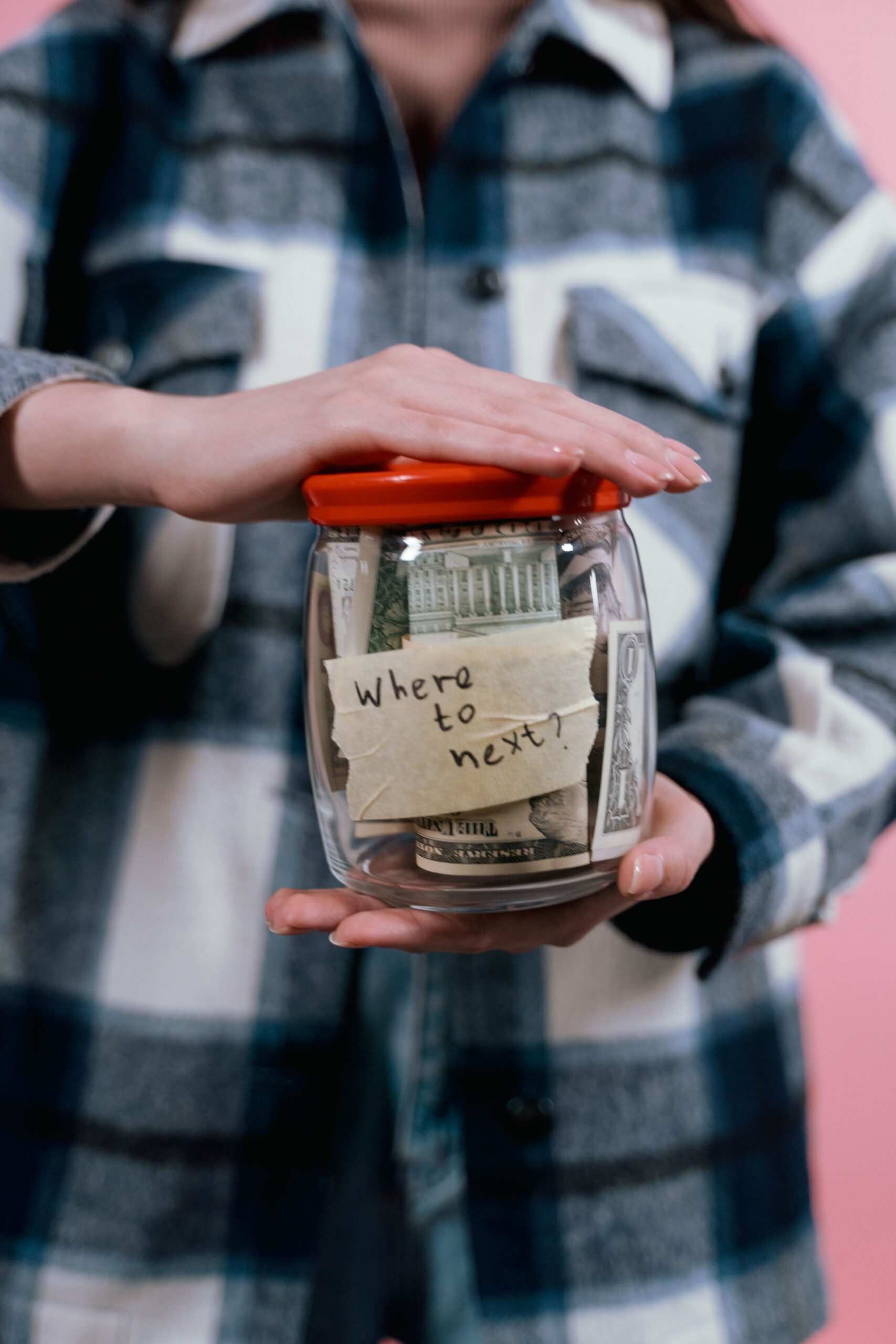
Suggested Featured Image
A professional financial image showing:
- Smartphone with savings balance
- Savings jar or digital savings icon
- Emergency fund progress chart
- Dollar bills/coins
- Person budgeting at a desk
- Modern blue, green, and white financial color scheme
Featured image ALT:how to build an emergency fund from scratch in 2026
Additional image ALT text:
emergency savings accounthow to save an emergency fundthree month emergency fundsix month emergency fundsaving $1000 emergency fundemergency fund budget
E-E-A-T Recommendations for This Financial Article
Because this is a Your Money or Your Life (YMYL) financial topic, strong trust signals are especially important.
Add:
Author information
Show the author’s experience with personal finance or financial content.
Expert review
Where possible, have the article reviewed by a qualified financial professional.
Publication date
Published: August 18, 2026
Updated date
Use a visible “Last Updated” date whenever the article is reviewed.
Sources
Cite authoritative sources such as:
- CFPB
- FDIC
- IRS
- NCUA
- SEC
Transparent methodology
Explain that recommendations are educational and aren’t individualized financial advice.
Suggested FAQ Schema
If your CMS supports FAQ structured data and the questions/answers are visible on the page, consider:
- How much should I have in an emergency fund in 2026?
- How do I build an emergency fund from zero?
- Is $1,000 enough for an emergency fund?
- Where should I keep my emergency fund?
- Should I use a high-yield savings account for my emergency fund?
- Should I invest my emergency fund?
- How much should I save for three months of expenses?
- How much should I save for six months of expenses?
- How can I build an emergency fund on a low income?
- Should I pay debt or build an emergency fund first?
- What counts as an emergency?
- Can I use my emergency fund for a vacation?
- What should I do after using my emergency fund?
- Is interest from an emergency savings account taxable?
- How quickly can I save $1,000?